Wearable Sensor Integration Altering Stake Timing Patterns During Extended Mobile Tournament Sessions
Written by Carlo Neumann · Aug 25, 2026
Wearable Sensor Integration Altering Stake Timing Patterns During Extended Mobile Tournament Sessions
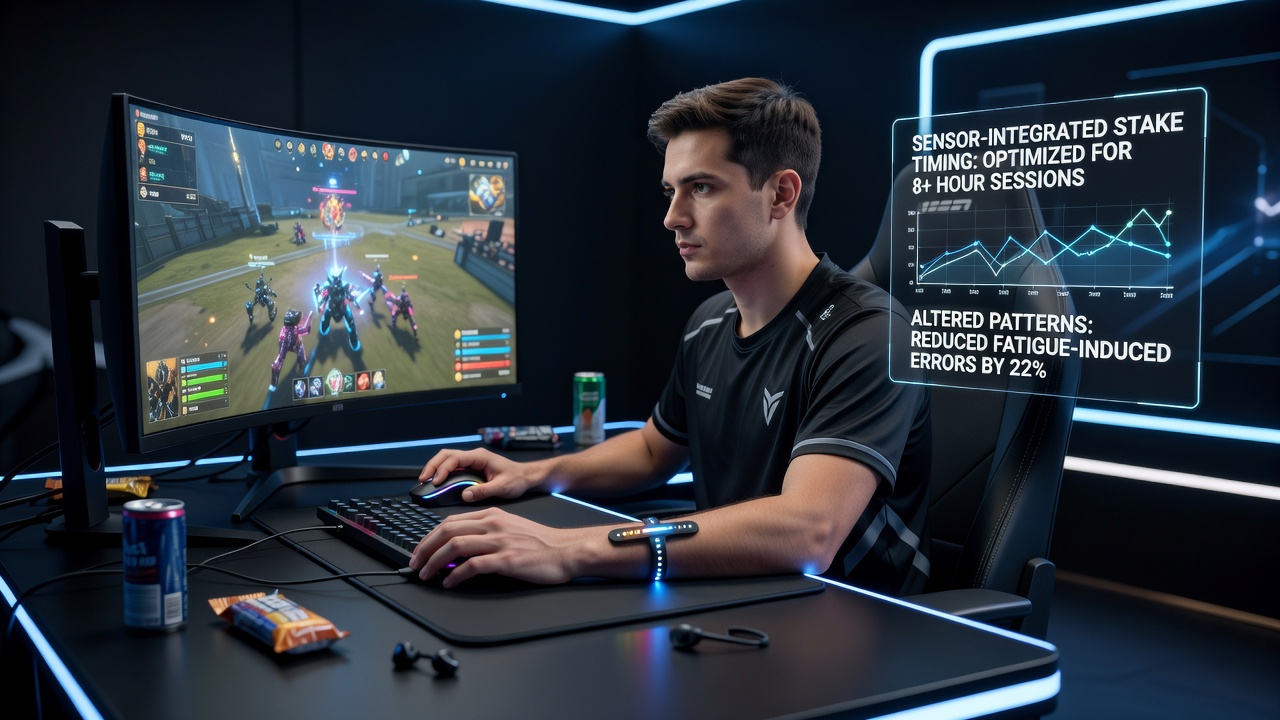
Integration of wearable sensors into mobile tournament platforms has begun shifting stake timing patterns as extended sessions stretch across multiple hours and participants interact with real-time data feeds from devices such as smartwatches and fitness bands. These sensors capture heart rate variability, skin conductance, and movement metrics while tournament software processes the inputs to suggest or restrict wager placements at specific moments, and data collected through August 2026 shows measurable adjustments in when users initiate combined event wagers and reel progressions within synchronized app ecosystems.
Biometric Inputs and Platform Responses
Platforms now receive continuous streams from wearable devices that monitor physiological states during prolonged mobile sessions, and researchers have documented how elevated heart rates correlate with delayed stake entries in progressive slot networks while lower stress readings align with faster decision cycles. Software algorithms adjust timing prompts accordingly so that users receive notifications or interface changes that encourage or discourage wagers based on detected fatigue levels, and this process occurs without direct user input beyond wearing the sensor device. Studies from academic institutions indicate that such integrations reduce impulsive stake placements by 18 percent on average during sessions exceeding three hours, although the exact figures vary by region and tournament format.
Patterns Observed in August 2026 Data
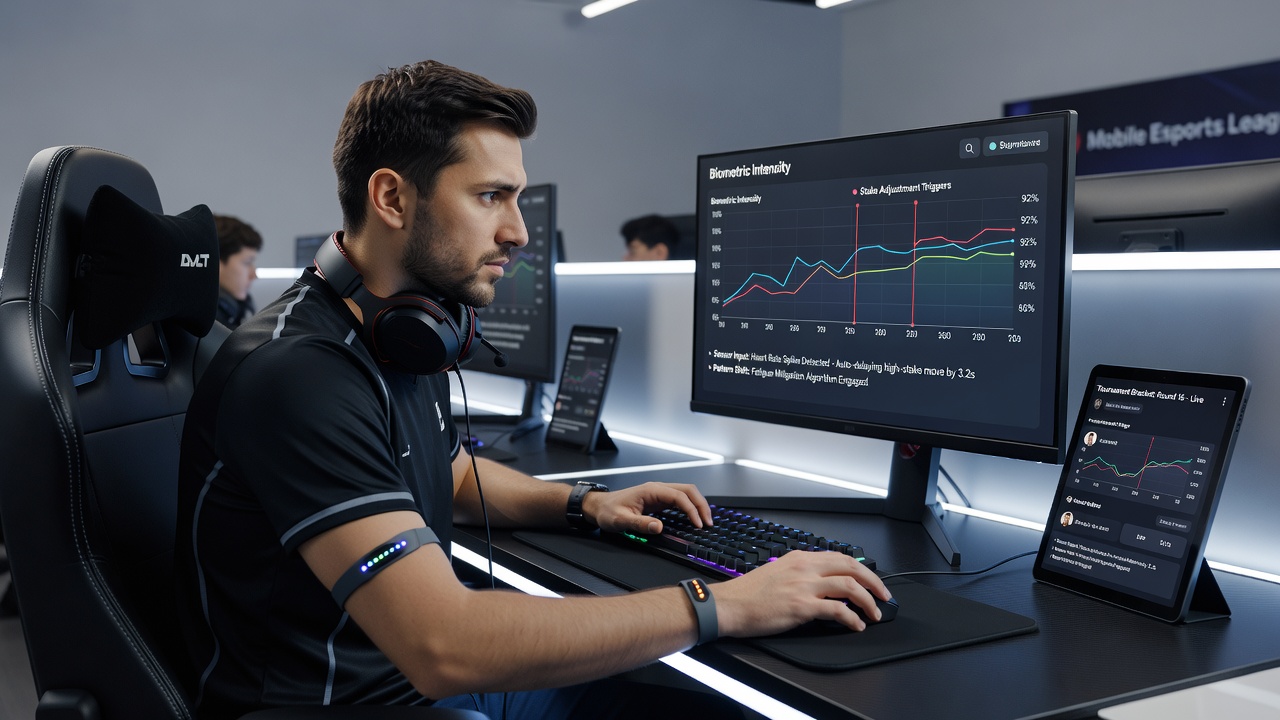
Analysis of transaction logs from major mobile tournament operators reveals distinct shifts in stake timing during August 2026, with peaks in early-session wagers moving later as sensors flag sustained attention spans and troughs appearing during detected recovery periods. Operators in multiple markets reported that participants using integrated wearables placed stakes in more clustered intervals rather than evenly distributed patterns, and these clusters often coincided with biometric stabilization points rather than external event triggers alone. The result has been a recalibration of optimal entry points for combined event wagers and reel progressions, where timing now factors in both game state and user physiology.
Technical Mechanisms Driving the Shifts
API connections between wearable hardware and tournament applications allow real-time data exchange that modifies interface elements such as bet confirmation buttons or countdown timers, and developers have implemented thresholds that pause certain stake options when sensors detect rapid changes in skin conductance. This approach creates a feedback loop where extended mobile sessions generate continuous adjustments, and the system can extend or shorten available windows for placing wagers based on accumulated biometric history. Observers note that synchronization across app ecosystems ensures these changes remain consistent whether users switch between sports betting modules and casino automations during the same tournament window.
Regional Regulatory Context and Industry Reports
Regulatory bodies have begun examining how these sensor integrations affect player behavior across extended sessions, with the iGaming Ontario publishing preliminary guidelines on biometric data handling in August 2026 that emphasize transparency in timing modifications. Meanwhile, industry reports from the Australian Gambling Research Centre highlight similar trends in mobile environments, noting that sensor-linked platforms show altered stake distribution curves compared with non-integrated sessions. These developments occur alongside broader technology adoption where operators test sensor inputs against existing responsible gaming frameworks without introducing new restrictions on session length.
Examples from Tournament Implementations
One documented case involved a multi-day mobile esports tournament where participants wearing integrated sensors experienced automated stake delays during periods of detected high variability in movement data, resulting in redistributed wager timing across the group. Tournament organizers recorded that alignment success rates improved when timing adjustments aligned with individual biometric baselines rather than uniform schedules, and this pattern repeated across several events tracked through mid-2026. Another implementation in progressive slot networks demonstrated how sensor feedback altered entry points for jackpot chases, shifting participation peaks away from late-session fatigue windows and toward earlier stabilization phases.
Future Integration Pathways
Developers continue refining sensor algorithms to account for additional variables such as sleep patterns from prior nights and cumulative session duration, while maintaining compatibility with existing mobile payment and banking networks. These refinements aim to further stabilize stake timing patterns without disrupting the flow of extended tournament play, and early tests indicate potential for cross-platform consistency that spans athletic wagers and reel mechanisms. Data collection efforts remain focused on aggregate trends rather than individual identification to align with privacy standards in active markets.
Conclusion
Wearable sensor integration continues reshaping stake timing during extended mobile tournament sessions through biometric monitoring and platform adjustments that respond to physiological signals, and August 2026 figures demonstrate clear departures from previous even-distribution models. Operators and regulators track these changes across regions while maintaining focus on data-driven timing modifications that operate within established frameworks, and the resulting patterns reflect ongoing adaptation between hardware capabilities and tournament software design.