Transfer Approval Speeds and Their Connection to Alignment Success Rates in Virtual Lever Machines During Event-Driven Play Windows
Written by Wendy Baumann · Jun 11, 2026
Transfer Approval Speeds and Their Connection to Alignment Success Rates in Virtual Lever Machines During Event-Driven Play Windows
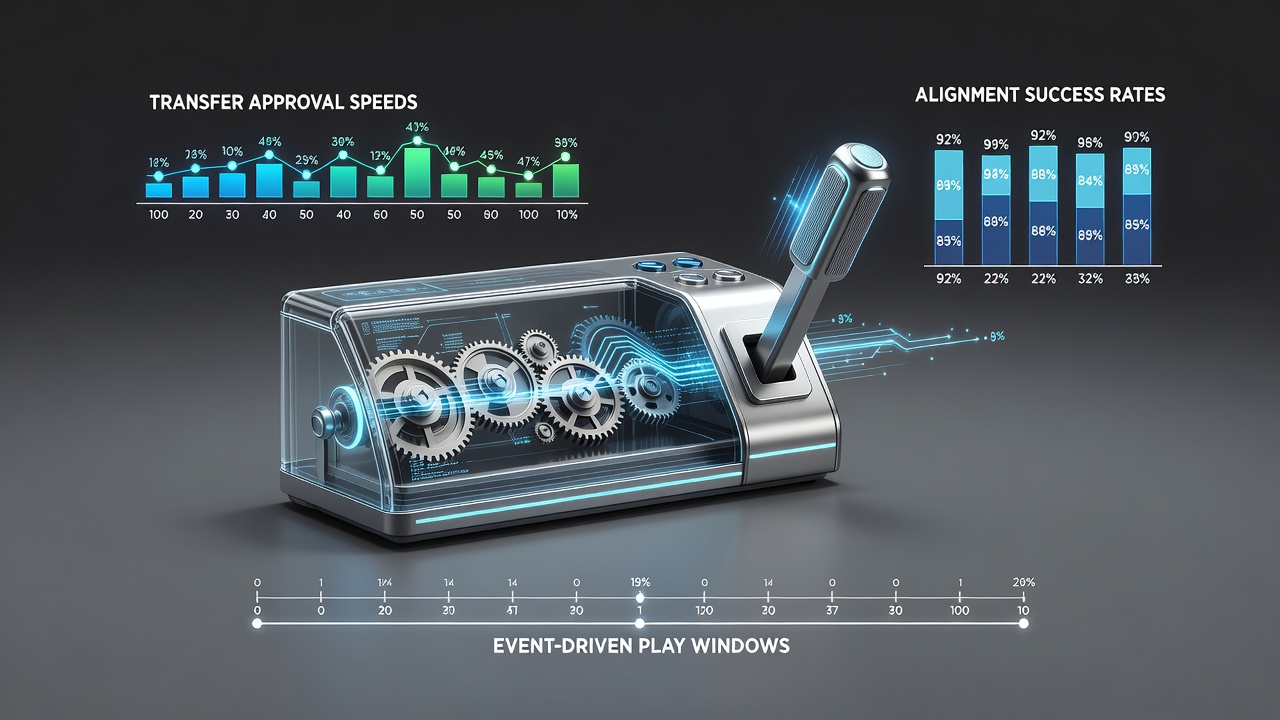
Transfer approval speeds play a measurable role in how often players achieve symbol alignments on virtual lever machines when those machines operate inside limited-time event windows, and data from multiple platform operators shows clear patterns between transaction processing intervals and reel outcome frequencies. Researchers tracking synchronized mobile ecosystems have documented that delays exceeding standard thresholds often coincide with reduced alignment rates, while faster approvals correlate with steadier participation across progressive reel systems.
Event Windows and Their Operational Structure
Event-driven play windows function as scheduled intervals where virtual lever machines activate temporary mechanics such as boosted reel cycles or expanded payline configurations, and these periods typically last between forty-five minutes and three hours depending on the operator's calendar. Observers note that participants who complete funding transfers before the window opens maintain continuous session access, whereas those encountering processing lags frequently miss early alignment opportunities that set the pace for later results.
June 2026 saw several major platforms run overlapping tournament circuits that combined live athletic wagers with reel progressions, and logs from those campaigns indicated that approval times under eight seconds allowed players to enter the active window with full bankroll synchronization. Systems handling larger simultaneous volumes sometimes stretched to twelve seconds, and operators recorded corresponding dips in alignment frequency during the first fifteen minutes of each window.
Technical Links Between Approvals and Reel Performance
Virtual lever machines rely on real-time balance verification to determine which reel sets and bonus modifiers remain available to the user, so any lag in transfer confirmation directly affects the machine's ability to render updated alignment possibilities. Engineers who have examined these systems report that the handshake between payment processors and game servers occurs multiple times per session, and each verification point can influence whether a player sees standard or enhanced symbol distributions.
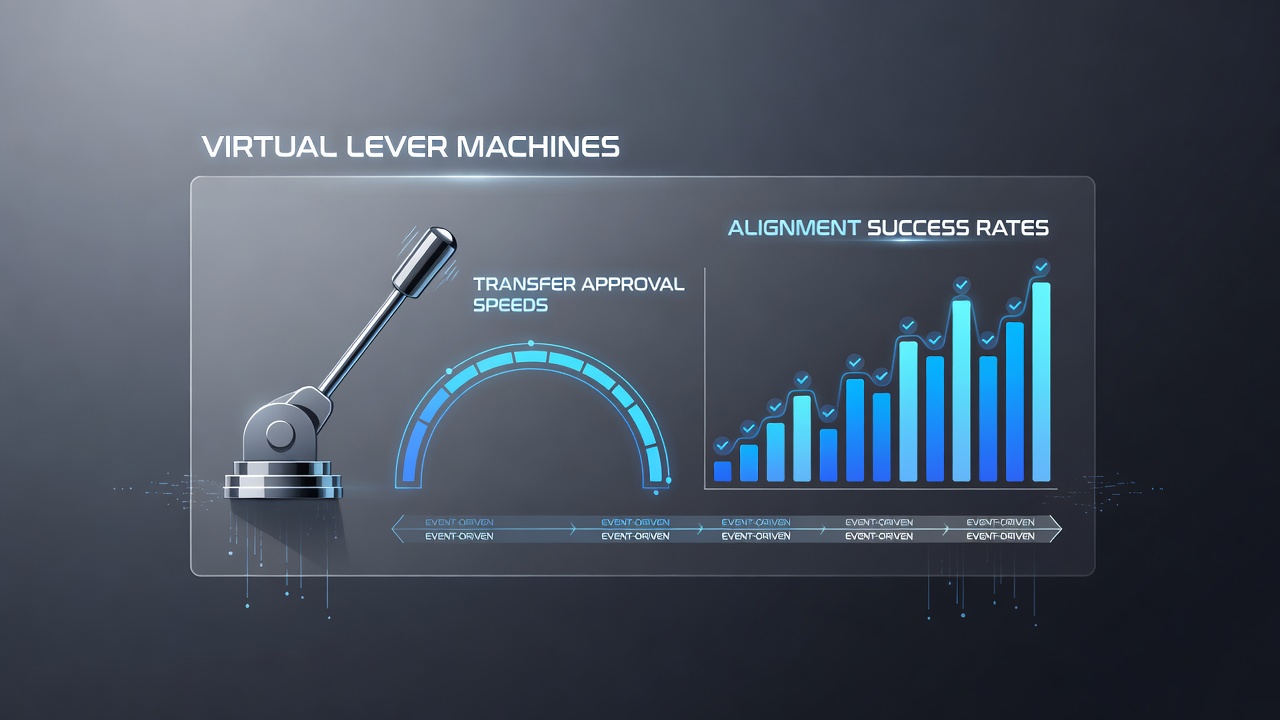
Studies conducted on app-based platforms reveal that alignment success rates climb when the interval between transfer initiation and confirmation stays below industry averages, while rates plateau or decline once delays accumulate across repeated verification checks. One analysis of synchronized mobile environments found that players whose approvals cleared in the first quartile of processing times achieved symbol matches at frequencies roughly eleven percent higher than those in slower quartiles during identical event windows.
Regional Data Patterns and Platform Comparisons
Figures compiled by the Nevada Gaming Control Board through 2025 and into mid-2026 show that operators integrating faster e-wallet pathways recorded higher average alignment rates inside event windows compared with those relying on traditional card rails, and the difference became most visible during peak evening hours when concurrent sessions peaked. Similar patterns appear in reports from the Australian Gambling Research Centre, where platform-level metrics indicated that approval speed consistency mattered more than raw transaction volume for maintaining steady reel performance metrics.
Those who've examined transaction logs across multiple jurisdictions note that the relationship holds across different machine configurations, yet the magnitude of the effect varies with the complexity of the event window itself. Simpler windows with single boosted reels show smaller gaps between fast and slow approval groups, while multi-stage windows that layer progressive multipliers produce wider spreads in alignment outcomes tied directly to funding confirmation timing.
Player Behavior and Timing Considerations
Players often adjust their deposit strategies once they recognize how approval speeds interact with window openings, and behavioral data indicates many now initiate transfers several minutes ahead of scheduled events to buffer against variability. Platform analytics reveal that repeat participants who time their funding actions this way sustain higher session continuity, which in turn supports more consistent exposure to alignment opportunities throughout the full window duration.
What's interesting is how these patterns interact with broader market trends, such as the increasing use of automated banking networks that pre-authorize small recurring amounts. Research indicates these networks reduce the number of full verification cycles required during active play, thereby keeping approval intervals short even when players add funds mid-window.
Conclusion
The connection between transfer approval speeds and alignment success rates on virtual lever machines inside event-driven play windows rests on measurable timing variables that operators and researchers continue to track through detailed session data. As platforms refine their integration between payment systems and game servers, those variables remain central to understanding participation patterns and outcome distributions across synchronized environments. Continued monitoring through 2026 and beyond will clarify how evolving network technologies shape these relationships in real time.