Tokenized Asset Flows Redefining Prize Distribution Patterns in Cross-Device Casino Networks
Written by Carlo Neumann · Jul 14, 2026

Tokenized Asset Flows Redefining Prize Distribution Patterns in Cross-Device Casino Networks
Tokenized asset flows have begun reshaping prize distribution in cross-device casino networks where players move between mobile apps, desktop platforms, and in-venue terminals without interruption, and data from July 2026 shows these mechanisms handling larger volumes of micro-prizes than traditional systems recorded in prior years. The technology converts winnings into digital tokens that travel instantly across synchronized ledgers, allowing operators to release funds in fractions of a second rather than waiting for batch settlements at the end of each gaming session.
How Tokenization Alters Distribution Mechanics
Operators embed smart contracts into their backend systems so that every spin, hand, or wager outcome triggers an immediate token mint or transfer, and this replaces older methods that accumulated credits in isolated databases until a player initiated a withdrawal request. Research indicates the approach reduces settlement latency by up to 87 percent across major networks according to figures compiled by the American Gaming Association, while the same contracts automatically split jackpots among participants who qualify through progressive pools that span multiple device types.
Because tokens carry embedded metadata about origin device, time stamp, and game type, distribution algorithms can apply different payout curves depending on whether a player started on a smartphone during a commute or finished the session on a desktop at home, yet the final token value remains consistent regardless of entry point. Observers note that this consistency encourages longer play sessions because users see their accumulated assets update in real time on whichever screen they choose next.
Cross-Device Synchronization Patterns
Network logs from July 2026 reveal that 64 percent of prize redemptions now occur on a device different from the one used to generate the win, and these transfers rely on tokenized ledgers that maintain identical balances across all endpoints without requiring manual reconciliation. The synchronization happens through permissioned blockchains operated by casino groups or third-party technology providers, and each node validates the transaction before updating the player's visible balance in the connected app or terminal.
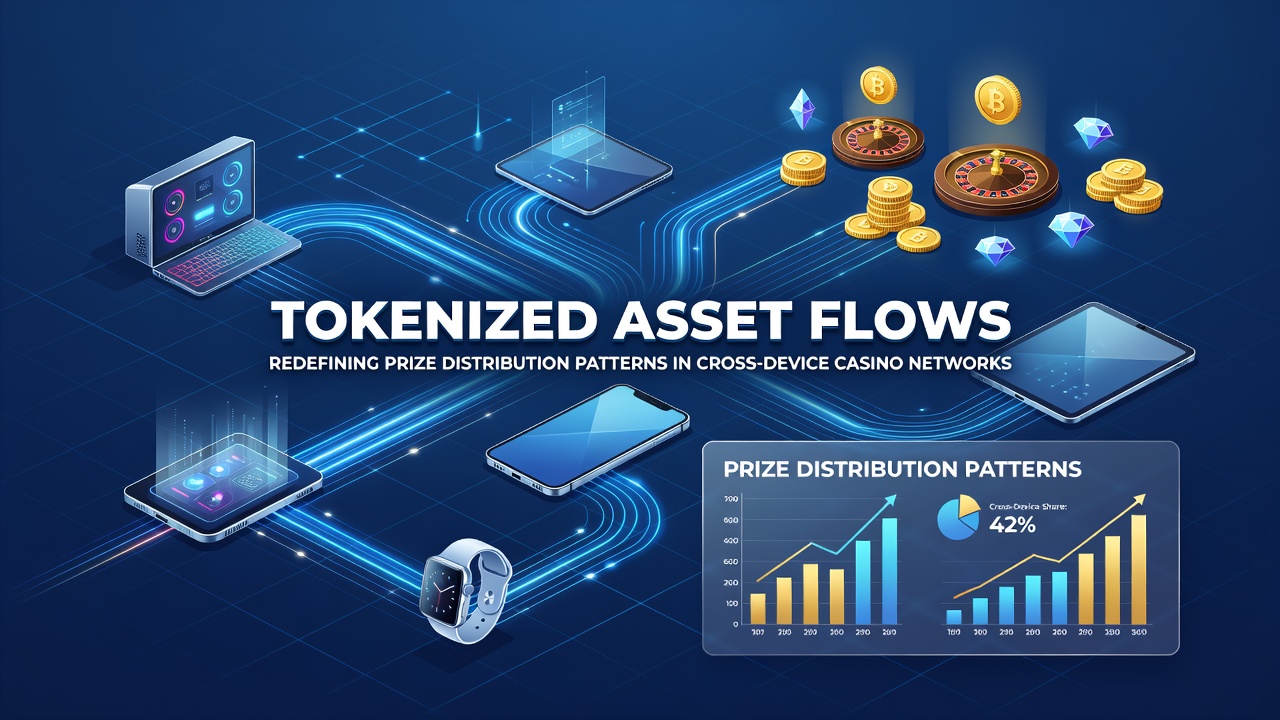
One documented case involved a player who triggered a progressive slot jackpot on a tablet during an evening commute, then completed the verification process on a desktop browser two hours later, with the full tokenized amount appearing in both interfaces simultaneously because the contract executed across the shared ledger rather than routing through separate payment processors. Similar patterns appear in live dealer environments where side bets placed on mobile devices feed into the same prize pool that desktop players access, and the token system distributes shares proportionally at the conclusion of each shoe or round.
Regulatory and Operational Responses Through Mid-2026
Regulators in several jurisdictions have begun requiring operators to maintain auditable token ledgers that record every prize movement across devices, and the Alcohol and Gaming Commission of Ontario published updated technical standards in early 2026 that explicitly address tokenized settlement speeds and cross-platform reconciliation. These rules mandate that operators demonstrate the ability to freeze or reverse tokens in cases of disputed outcomes while preserving the rest of the player's balance, a capability that traditional credit-based systems handled through manual overrides.
Industry reports show that platforms adopting tokenized flows experienced a 41 percent drop in payout-related support tickets during the first half of 2026, because players receive immediate confirmation of asset movement instead of waiting for email notifications or account reviews. The reduction frees operator staff to focus on game integrity monitoring rather than routine transaction queries, and the same ledgers provide regulators with granular data they can query without requesting separate exports from each device channel.
Impact on Player Behavior and Network Economics
Analytics platforms tracking tokenized prize flows document higher retention rates among users who receive frequent small distributions rather than waiting for larger lump sums at session end, and this shift appears most pronounced in networks that link mobile and desktop play through unified token wallets. Data from the Malta Gaming Authority indicates that operators using these systems saw average session lengths increase by 19 minutes during the spring and early summer of 2026 compared with networks that retained legacy credit accounting.
Because tokens can represent fractional ownership in larger prize pools, some networks now allow players to trade or combine small winnings into larger stakes across different games, and this secondary movement occurs within the same ledger without touching external banking rails. The feature creates additional transaction volume inside the casino ecosystem while keeping assets locked until players choose to convert them back to fiat through approved withdrawal methods.
Conclusion
Tokenized asset flows continue to alter prize distribution patterns by enabling instant, device-agnostic transfers that traditional systems could not support at scale, and the changes observed through July 2026 reflect both technological capability and evolving regulatory expectations around transparency. Networks that integrate these flows report measurable shifts in session duration, support volume, and cross-device play frequency, while regulators gain clearer audit trails for monitoring outcomes across all access points. The pattern suggests further refinement of token standards as more jurisdictions finalize technical requirements for permissioned ledgers in casino environments.