Smartwatch Data Streams Informing Spending Patterns During In-Play Athletic Odds and Cylinder Rotation Sessions
Written by Wendy Baumann · Aug 8, 2026
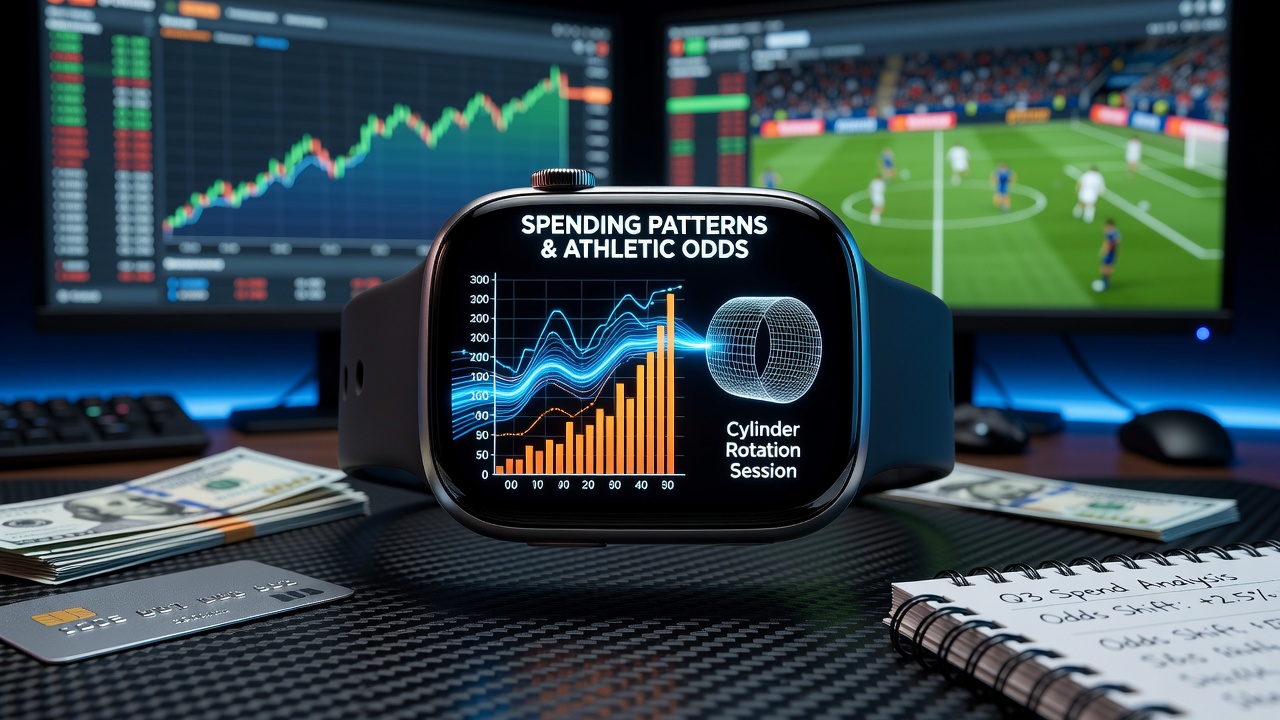
Smartwatch Data Streams Informing Spending Patterns During In-Play Athletic Odds and Cylinder Rotation Sessions
Biometric Integration in Real-Time Wagering Environments
Smartwatch sensors capture heart rate variability, movement patterns, and stress indicators that correlate with spending decisions during live sports events and automated gaming sessions, and developers have connected these streams directly to betting platforms since early 2025. Data flows from wrist-worn devices into mobile applications where algorithms match elevated pulse rates with increased wager sizes on in-play athletic odds, while similar triggers appear in cylinder rotation sequences when users extend play after periods of rapid button presses or posture shifts.
Studies from research institutions in North America show that participants wearing connected devices place bets at higher frequencies once biometric thresholds are crossed, and this pattern holds across both professional football matches and digital reel systems. Operators receive anonymized aggregates that highlight moments when spending accelerates, yet individual identification remains restricted under current privacy frameworks enforced by bodies such as the Nevada Gaming Control Board.
Live Athletic Odds and Physiological Response Tracking
During in-play athletic events, heart rate spikes often precede larger stake adjustments, and platforms now log these moments alongside odds changes for each participant. One analysis covering March through August 2026 found that users with elevated average heart rates during the final quarters of basketball games increased their total handle by measurable percentages compared with baseline sessions, according to aggregated reports shared by industry monitoring groups.
Researchers at academic centers in Australia have mapped similar connections between respiration rate and live betting frequency, noting that quick breathing cycles align with rapid-fire wagers on next-point outcomes. These streams allow systems to flag potential fatigue points where spending might shift from strategic to impulsive, although platforms present this information only as neutral operational data rather than prescriptive advice.
Cylinder Rotation Sessions and Sustained Engagement Metrics
Slot environments present a different set of variables where cylinder rotation speed, button cadence, and session length combine with smartwatch data to reveal spending rhythms. Accelerometer readings detect repetitive wrist motions that correspond to extended play periods, and platforms correlate these with deposit timing in synchronized mobile ecosystems. Figures from Canadian regulatory summaries indicate that sessions exceeding forty-five minutes show tighter clustering between biometric elevation and additional fund transfers.
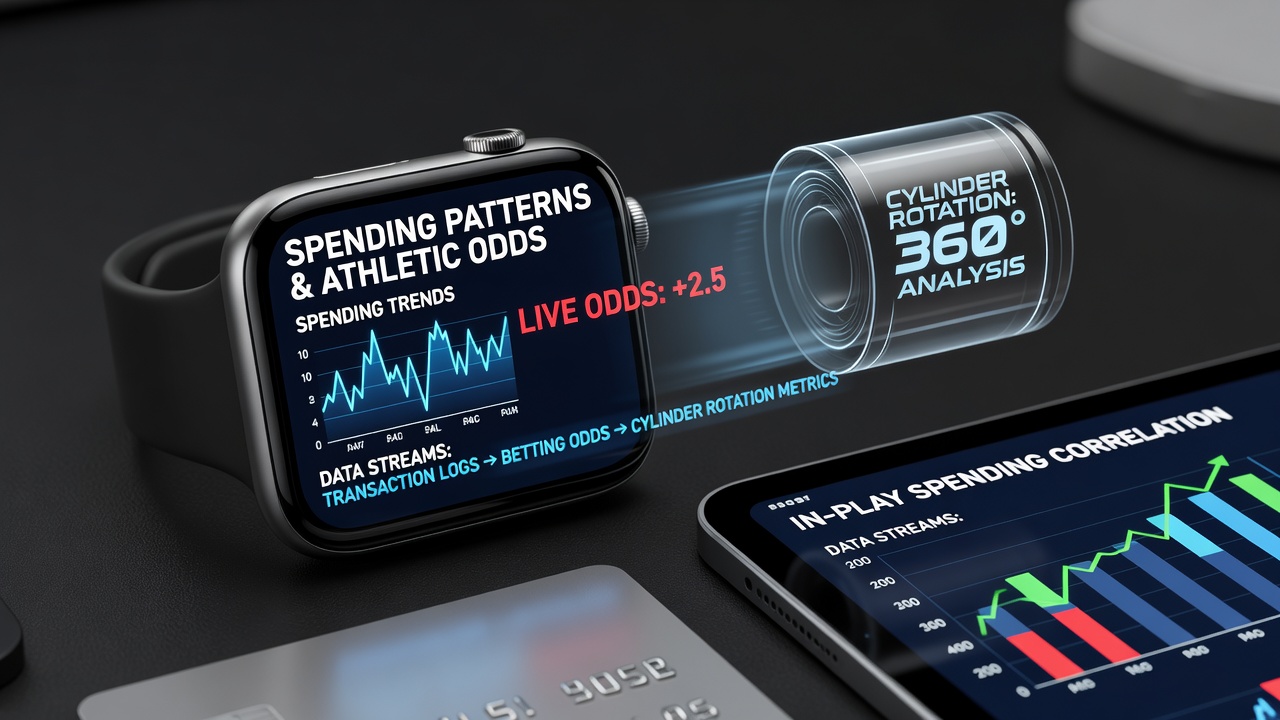
Payment pathway records further demonstrate that approval speeds for smaller increments rise when movement data indicates steady engagement, and this linkage appears in multiple app-based environments operating under European data standards. Observers note that progressive reel systems register higher alignment success rates during windows when user biometrics remain within moderate ranges, suggesting a connection between physical state and continued participation without implying causation.
Regulatory and Technical Frameworks Guiding Data Use
Government agencies across multiple jurisdictions require clear separation between raw biometric feeds and direct marketing actions, and the Australian Communications and Media Authority has issued guidance on consent protocols for wearable integration in gaming applications. Technical standards now mandate encryption of heart rate and location data before transmission to betting servers, while audit trails track how these streams influence displayed odds or bonus triggers.
Industry associations in the United States have documented rising adoption rates of such combined systems ahead of major tournaments scheduled for late 2026, and reports emphasize that all implementations must comply with state-level responsible gaming statutes. Data sharing agreements limit access to de-identified sets, preventing any single operator from reconstructing individual profiles across sports and reel platforms simultaneously.
Observed Patterns Across Combined Platforms
Users frequently switch between live athletic wagers and cylinder rotation sessions within the same app ecosystem, and smartwatch logs capture transitions that occur after specific biometric thresholds. Time-stamped transaction records reveal clusters where a sequence of small sports bets precedes extended slot play when movement data shows consistent low-intensity activity. Research teams examining these crossovers have identified entry points that align with stable heart rate zones rather than peak excitement periods.
Payment processing timelines also intersect with these patterns, as faster e-wallet approvals coincide with biometric stability windows documented in operator dashboards. Such observations remain confined to aggregate statistics supplied by platform providers and do not extend to personalized interventions under prevailing rules.
Conclusion
Smartwatch data streams continue to supply detailed physiological context for spending behaviors across in-play athletic odds and cylinder rotation environments, and integration efforts have expanded steadily through August 2026. Regulatory oversight from diverse international bodies maintains boundaries around data application, while technical protocols ensure secure handling of biometric information. Patterns documented in research and operational records demonstrate measurable alignments between physical indicators and wager timing, yet all findings stay within the limits of anonymized, aggregated reporting.