Linking Banking Options to Adaptive Play Patterns in App-Based Athletic Wagers and Progressive Reel Systems
Written by Harper Günther · May 28, 2026
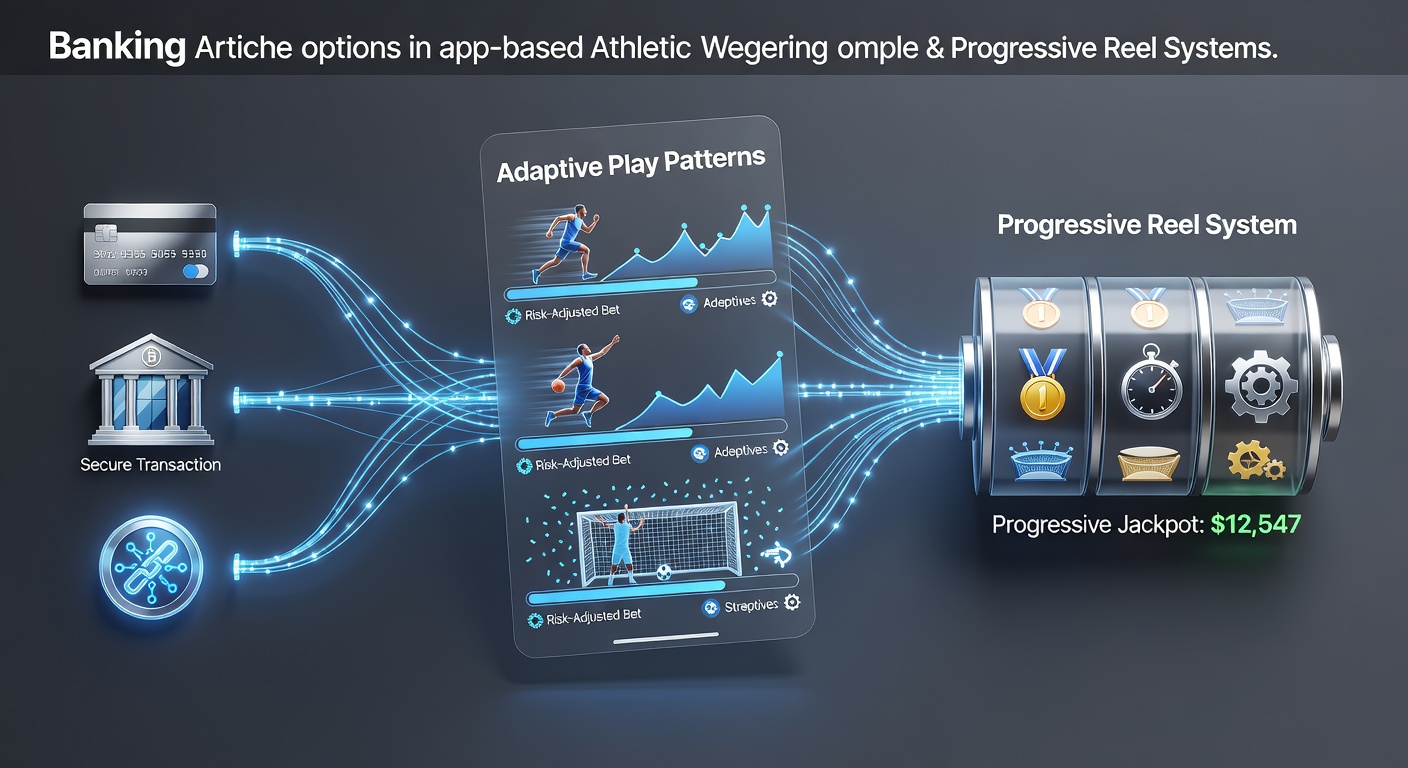
Linking Banking Options to Adaptive Play Patterns in App-Based Athletic Wagers and Progressive Reel Systems
App-based platforms continue to refine how banking selections connect with user activity across sports wagers and progressive reel games, creating measurable shifts in deposit frequency, session length, and stake sizing. Data from multiple jurisdictions indicate that payment speed and fee structures directly influence whether participants favor quick in-game adjustments or longer, calculated sequences. Operators track these connections through backend analytics that map transaction types to behavioral clusters. E-wallet users often complete transfers in under 30 seconds, which correlates with higher volumes of smaller, repeated athletic wagers during live events, while bank transfer users show steadier but less frequent deposits that align with extended reel sessions aimed at progressive jackpot accumulation.Payment Speed and Session Dynamics
Research from the New Jersey Division of Gaming Enforcement highlights how same-day settlement options alter play rhythms in both verticals. Players who select instant funding methods tend to increase wager counts during peak sporting windows, such as May 2026 playoff cycles, because reloads occur without interrupting momentum.
Conversely, those relying on traditional wire services exhibit longer intervals between sessions yet maintain consistent stake levels once play begins. These patterns emerge because slower funding cycles encourage participants to plan entry points around scheduled events rather than reacting in real time.
Adaptive Algorithms and Banking Triggers
Application developers embed logic that adjusts interface elements based on prior transaction history. When an account shows repeated e-wallet activity, the system may surface smaller denomination progressive reel options or quick-bet athletic wager presets, while bank-linked profiles receive prompts for larger, multi-spin reel packages or pre-match accumulator selections.
Analysts at the Ontario Lottery and Gaming Corporation documented similar segmentation in 2025 reports, noting that fee transparency further refines these adaptations. Accounts sensitive to withdrawal costs often shift toward progressive systems that reward sustained play over short bursts, producing distinct retention curves compared with fee-insensitive cohorts.
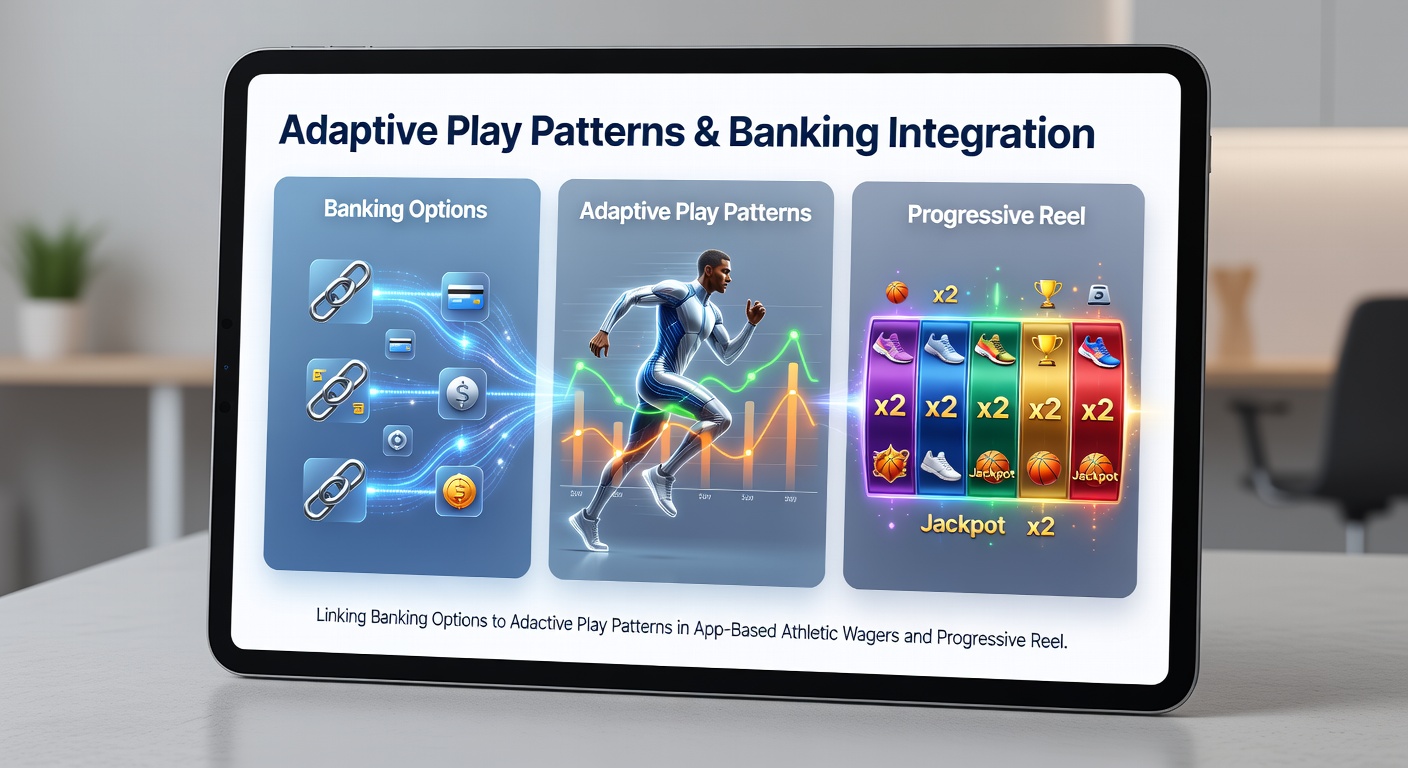
Regional Variations in Integration
Australian regulatory filings from the Australian Communications and Media Authority reveal that local operators link banking preferences to geo-specific play modules. Users in states with strict daily deposit caps show stronger migration toward progressive reel titles when paired with low-fee digital wallets, because these pairings allow precise control over total outlay across multiple sessions.
European platforms, drawing from aggregated data shared by the Malta Gaming Authority, report parallel trends where prepaid card users gravitate toward live athletic wagers that conclude within single matches, whereas direct debit profiles favor reel progressives that accumulate value over days or weeks.
Security Features and Pattern Stability
Two-factor authentication tied to specific banking rails also shapes continuity. Accounts verified through mobile banking apps demonstrate fewer mid-session interruptions, which supports extended reel sequences in progressive environments. Meanwhile, users who toggle between multiple payment sources display more fragmented patterns, frequently resetting stake sizes after each funding event.
Industry studies compiled by the University of Nevada, Las Vegas International Gaming Institute indicate that these security-linked behaviors remain stable across demographic groups when measured over multi-month windows ending in May 2026.
Future Interface Adjustments
Developers now test predictive modules that pre-select banking options based on observed play history. Early deployments show reduced friction for users whose patterns favor rapid athletic wagers while guiding others toward reel configurations that match slower funding cycles. These adjustments rely on anonymized transaction logs rather than individual profiling, preserving compliance with data protection standards across jurisdictions.
Conclusion
Connections between banking infrastructure and adaptive play continue to evolve as operators refine data models that link transaction attributes to session outcomes. Observers note that clear fee disclosure and settlement speed remain primary drivers of whether participants gravitate toward live athletic wagers or sustained progressive reel engagement. Continued monitoring across regulatory regions will determine how these linkages develop through the remainder of 2026 and beyond.