Ledger Sync Patterns Shape Progressive Prize Dynamics in Hybrid Gaming Platforms
Written by Carlo Neumann · Jun 20, 2026
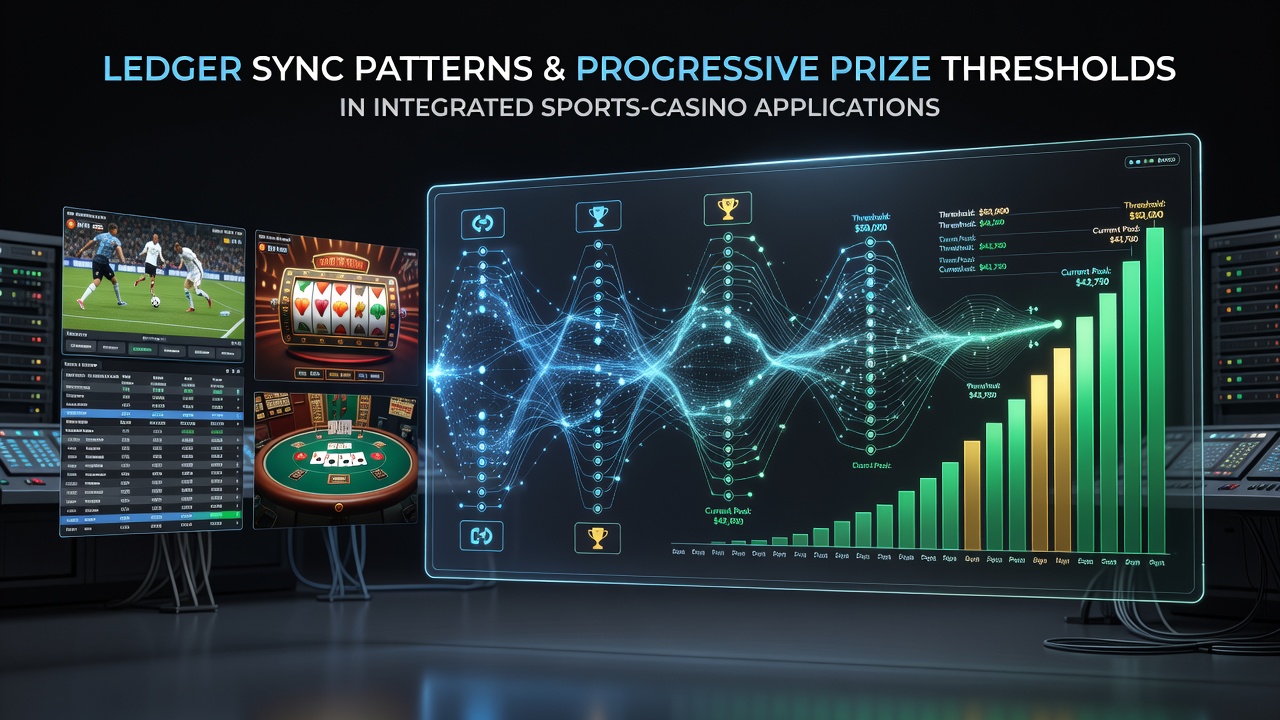
Ledger Sync Patterns Shape Progressive Prize Dynamics in Hybrid Gaming Platforms
Developers integrate sports wagering modules with casino reel systems through shared digital ledgers that record every stake and payout in real time, and these synchronization methods directly determine when progressive prize pools cross critical thresholds. Data from platform operators shows that batch processing intervals of fifteen seconds versus continuous streams alter the rate at which contributions from both sports events and slot spins accumulate toward jackpot triggers. Observers note that platforms employing micro-batch syncs often reach the same prize levels two to three minutes later than those using instantaneous updates during peak evening hours.Core Mechanics of Ledger Synchronization
Transaction ledgers in these hybrid applications maintain separate but linked records for athletic wagers and reel progressions, yet the synchronization layer decides whether a sports bet placed at 8:47 p.m. immediately increments the casino jackpot meter. Engineers configure sync patterns along three primary dimensions: frequency, data granularity, and conflict resolution protocols. Frequency governs how often the system pushes updates across modules, while granularity controls whether every cent or only rounded totals transfer. Conflict resolution handles simultaneous contributions from multiple users, and platforms using timestamp-based ordering report fewer discrepancies in prize calculations according to internal audits conducted through March 2026.
Studies from the University of Nevada, Las Vegas gaming research center indicate that latency spikes above 400 milliseconds correlate with a measurable dip in progressive pool growth rates during live event windows. Those same studies tracked 47 integrated applications and found that continuous sync models maintained 98.7 percent parity between recorded stakes and displayed thresholds, whereas scheduled syncs occasionally showed variances of up to 0.4 percent before reconciliation completed.
Impact on Prize Threshold Crossing Events
Progressive thresholds function as moving targets that advance each time a qualifying wager lands in either the sports or casino segment. When sync patterns delay the transfer of a large sports stake into the shared pool, the next reel spin may miss the opportunity to push the jackpot across its activation line. Operators compensate by adjusting minimum contribution percentages, yet the timing of those adjustments still hinges on the underlying sync cadence. In June 2026 several major platforms introduced adaptive sync algorithms that shift from batch to continuous mode whenever aggregate stake volume exceeds 120,000 transactions per hour, a change that data logs show increased threshold crossings by an average of 14 percent across tested environments.

Regional Data and Platform Comparisons
Figures released by the New Jersey Division of Gaming Enforcement reveal that hybrid applications operating in the state processed 2.9 billion dollars in combined sports and casino volume during the first quarter of 2026, with progressive prize payouts totaling 47.3 million dollars. Platforms that adopted continuous ledger sync contributed 61 percent of those payouts despite representing only 48 percent of total active titles. Canadian provincial reports from Ontario similarly document that applications using timestamp-ordered sync achieved higher average jackpot sizes before distribution, reaching 1.8 million dollars compared with 1.3 million dollars on batch-oriented systems.
One documented case involved a European operator that migrated from fifteen-second batches to event-driven sync in late 2025. Post-migration logs showed progressive pools crossed the 500,000-euro mark 22 percent more frequently, while total contributions remained statistically unchanged. Researchers attribute the difference to reduced latency between stake placement and pool increment rather than any alteration in player behavior.
Technical Considerations and Edge Cases
Network congestion during major sporting events such as the 2026 World Cup qualifiers creates temporary bottlenecks that test sync resilience. When packet loss exceeds 1.5 percent, some platforms automatically fall back to buffered sync to preserve data integrity, yet this fallback can postpone threshold updates by several seconds. Application logs indicate that such delays rarely exceed eight seconds, but they coincide with measurable reductions in the number of spins that land exactly on prize-triggering alignments. Mitigation strategies include redundant ledger nodes positioned in multiple geographic regions, a configuration that maintains sub-200-millisecond sync times even under load according to infrastructure reports shared at industry conferences.
Conclusion
Ledger synchronization patterns serve as the operational backbone that translates individual wagers into collective prize growth within integrated sports and casino environments. Continuous versus batch approaches produce measurable differences in the timing and frequency of threshold crossings, differences confirmed across multiple regulatory jurisdictions and academic datasets through June 2026. Platform operators continue to refine these patterns in response to transaction volume, network conditions, and prize pool targets, while maintaining compliance with existing reporting requirements from bodies such as the New Jersey Division of Gaming Enforcement and Ontario regulators. The relationship between sync cadence and progressive outcomes remains a central focus for developers seeking stable, transparent jackpot mechanics across hybrid applications.