Interplay Between Currency Fluctuation Patterns and Feature Unlock Sequences Across Handheld Platforms Blending Automated Entertainment Modules with Competitive Forecasting Interfaces
Written by Otto Coleman · Jul 18, 2026
Interplay Between Currency Fluctuation Patterns and Feature Unlock Sequences Across Handheld Platforms Blending Automated Entertainment Modules with Competitive Forecasting Interfaces
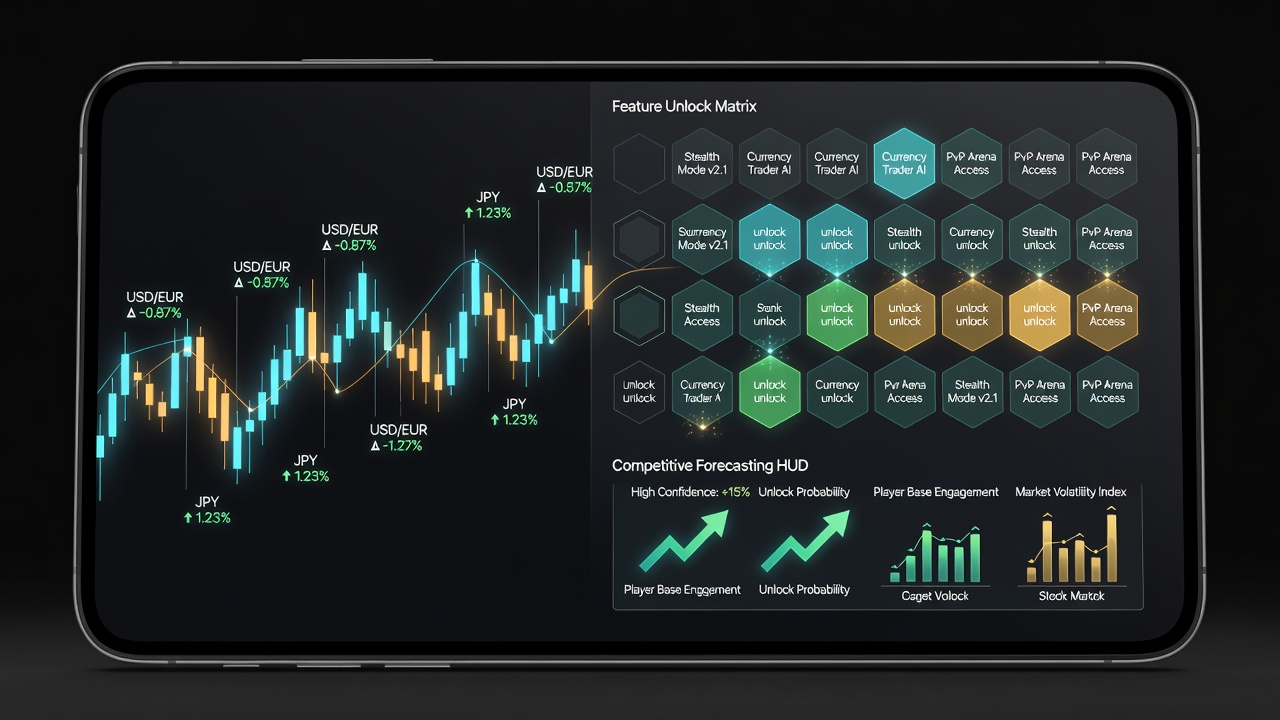
Observers note that currency fluctuation patterns have shown measurable connections to feature unlock sequences in handheld platforms that combine automated entertainment modules with competitive forecasting interfaces. Data from mobile application ecosystems indicate that exchange rate shifts often coincide with changes in user progression through unlock mechanics, particularly when apps integrate real-time data feeds from global markets into their core systems. Researchers at institutions tracking digital entertainment trends have documented these alignments across multiple regions. In July 2026, several platforms reported spikes in unlock activity during periods of heightened volatility in major currency pairs, suggesting users respond to economic signals by advancing through feature gates more rapidly.Currency Fluctuation Patterns in Mobile Ecosystems
Studies from economic monitoring bodies such as the OECD reveal that daily currency movements influence consumer behavior in digital environments. When exchange rates swing beyond standard deviation thresholds, engagement metrics in forecasting interfaces tend to rise, prompting developers to adjust unlock timers and reward structures accordingly.
Handheld platforms rely on automated modules to deliver consistent entertainment while layering competitive forecasting tools that draw from live financial data streams. These systems track variables including interest rate announcements and trade balance releases, which feed directly into progression algorithms that determine when new features become available to users.
Feature Unlock Sequences and Platform Mechanics
Feature unlock sequences operate through layered progression trees where users complete tasks within entertainment modules to access advanced forecasting capabilities. Data indicates that these sequences often accelerate during currency stabilization periods, whereas volatile phases lead to extended accumulation windows before unlocks occur.
Developers implement adaptive thresholds that respond to external economic indicators. For instance, platforms have adjusted point requirements for unlocking predictive analytics tools when currency pairs exhibit rapid directional changes, ensuring that entertainment loops remain balanced with forecasting accuracy demands.
Observed Alignments in July 2026
Figures from application analytics firms show that in July 2026, handheld users completed unlock sequences at higher rates during sessions that overlapped with currency market openings in major trading zones. This pattern emerged across devices running both iOS and Android operating systems, where automated modules logged increased session durations precisely when forecasting interfaces updated with fresh volatility data.
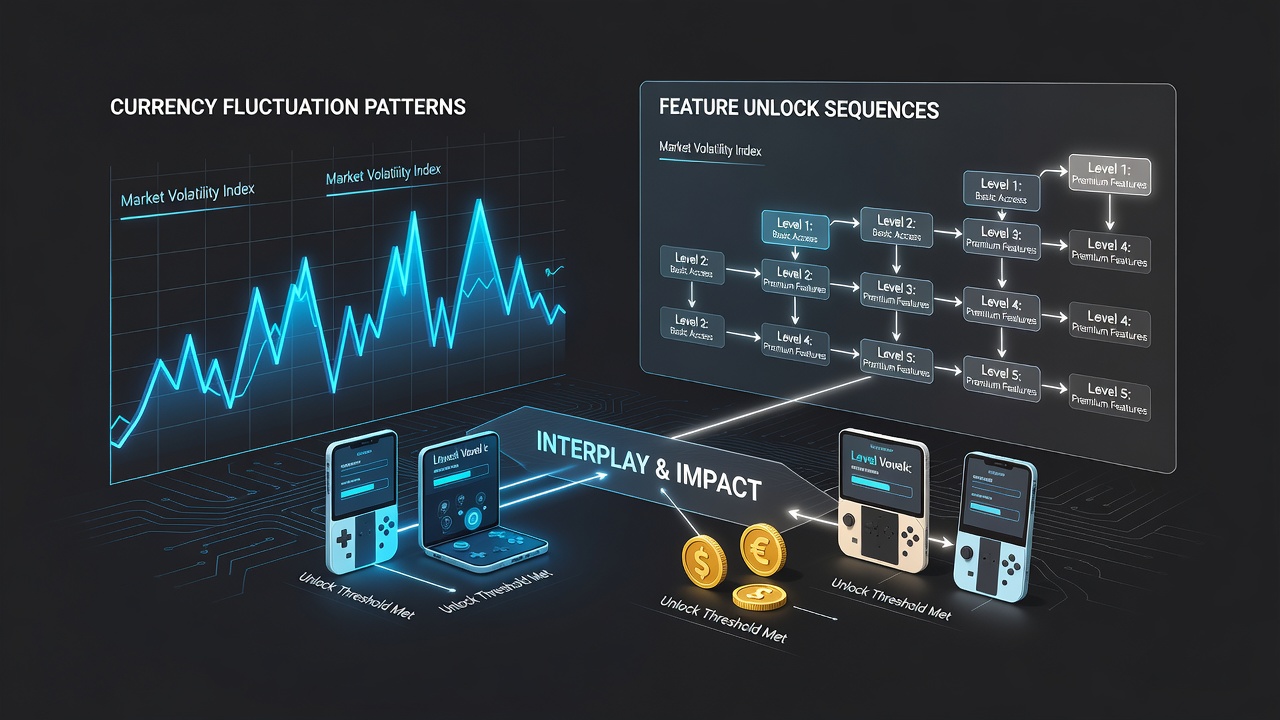
One analysis conducted by European research networks found correlations between euro fluctuations and unlock rates for competitive prediction modules, while parallel data from Asia-Pacific sources highlighted similar trends during yen movements. These findings point to a synchronized response mechanism built into platform architectures.
Integration of Automated Modules with Forecasting Interfaces
Automated entertainment modules generate continuous content loops that feed user progression metrics into forecasting interfaces. This blending allows platforms to maintain engagement while exposing users to competitive elements that mirror currency market dynamics without requiring direct financial participation.
Evidence from industry reports compiled by the Innovation, Science and Economic Development Canada demonstrates that platforms incorporating these dual systems achieve steadier retention when unlock sequences incorporate real-time currency inputs. The result appears as extended play cycles where entertainment completion directly influences forecasting accuracy scores.
Developers have refined these integrations through iterative updates that monitor global economic calendars. When upcoming events such as central bank decisions approach, unlock sequences often receive temporary modifiers that either compress or expand based on anticipated volatility levels.
Regional Variations in Platform Responses
Platforms operating in different jurisdictions display distinct adaptations to currency patterns. North American services tend to emphasize forecasting depth during unlock phases tied to dollar index movements, whereas applications popular in emerging markets adjust entertainment module rewards to account for local currency pressures.
Academic examinations of these systems, including work published through university consortia, confirm that the interplay produces measurable differences in user completion rates. Data sets collected over multi-month periods in 2026 illustrate how platforms recalibrate feature availability to maintain equilibrium between automated content delivery and competitive forecasting demands.
Conclusion
The documented connections between currency fluctuation patterns and feature unlock sequences across handheld platforms continue to shape development priorities in 2026. As automated entertainment modules and competitive forecasting interfaces remain intertwined, ongoing data collection from diverse economic regions provides clearer insights into these operational dynamics without reliance on subjective interpretation.