Interconnected Funding Timelines Shape Decision Timing Across Mobile Athletic Forecasts and Reel Sequences
Written by Otto Coleman · Jul 28, 2026
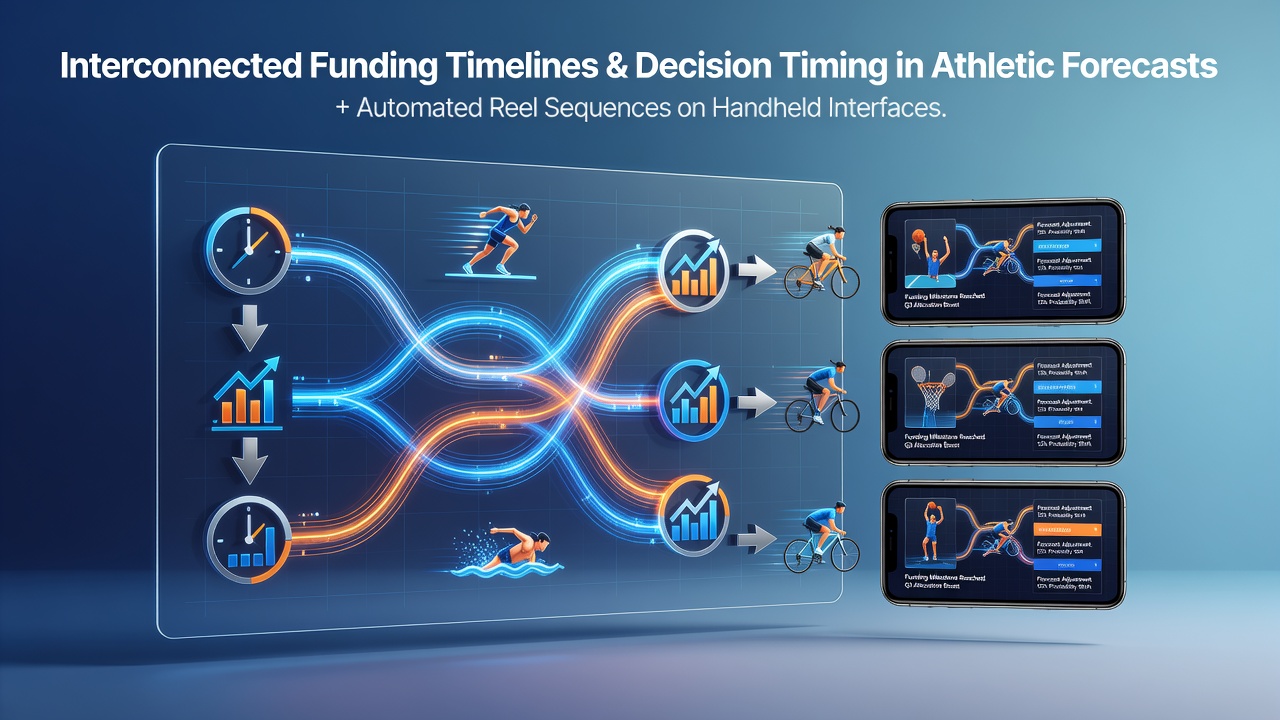
Interconnected Funding Timelines Shape Decision Timing Across Mobile Athletic Forecasts and Reel Sequences
Data from multiple markets reveals that funding timelines create direct connections between deposit processing speeds and the precise moments when users place simultaneous wagers on athletic events alongside automated reel sequences, and observers note these patterns hold steady through July 2026 across handheld devices.
Core Mechanics of Funding Timelines in Mobile Ecosystems
Transaction logs from various operators indicate that e-wallet approvals and bank transfers follow distinct sequences where initial funding windows open opportunities for coordinated entries into both sports forecasts and reel progressions, while delays in one channel often shift the entire decision window for users managing multiple active sessions. Researchers tracking these flows across platforms find that instant verification systems reduce the gap between fund availability and wager confirmation to under ten seconds in many cases, allowing participants to align their athletic picks with reel spin triggers before event odds or jackpot meters change.
Simultaneous Athletic Forecasts and Automated Reels
Users frequently execute combined actions where a live sports market update coincides with a reel alignment sequence, and figures from industry reports show that funding arrival times determine whether these dual entries happen within the same thirty-second interval or spread across separate phases. One study of synchronized app ecosystems documented that when deposit confirmations arrive during peak event windows, participants adjust their stake allocations between forecasts and reels based on remaining balance visibility, creating measurable shifts in overall participation rates.
Influence on Decision Timing Patterns
Analyses of time-stamped logs demonstrate that shorter funding cycles correlate with higher frequencies of simultaneous submissions, whereas extended processing periods lead users to sequence their choices sequentially rather than in parallel, and this distinction appears consistently in data collected through mid-2026. Those examining handheld interface behaviors observe that visual cues for pending transactions prompt users to prioritize either the athletic forecast or teh reel sequence depending on which funding stream clears first, generating distinct clusters of activity around specific clock times.
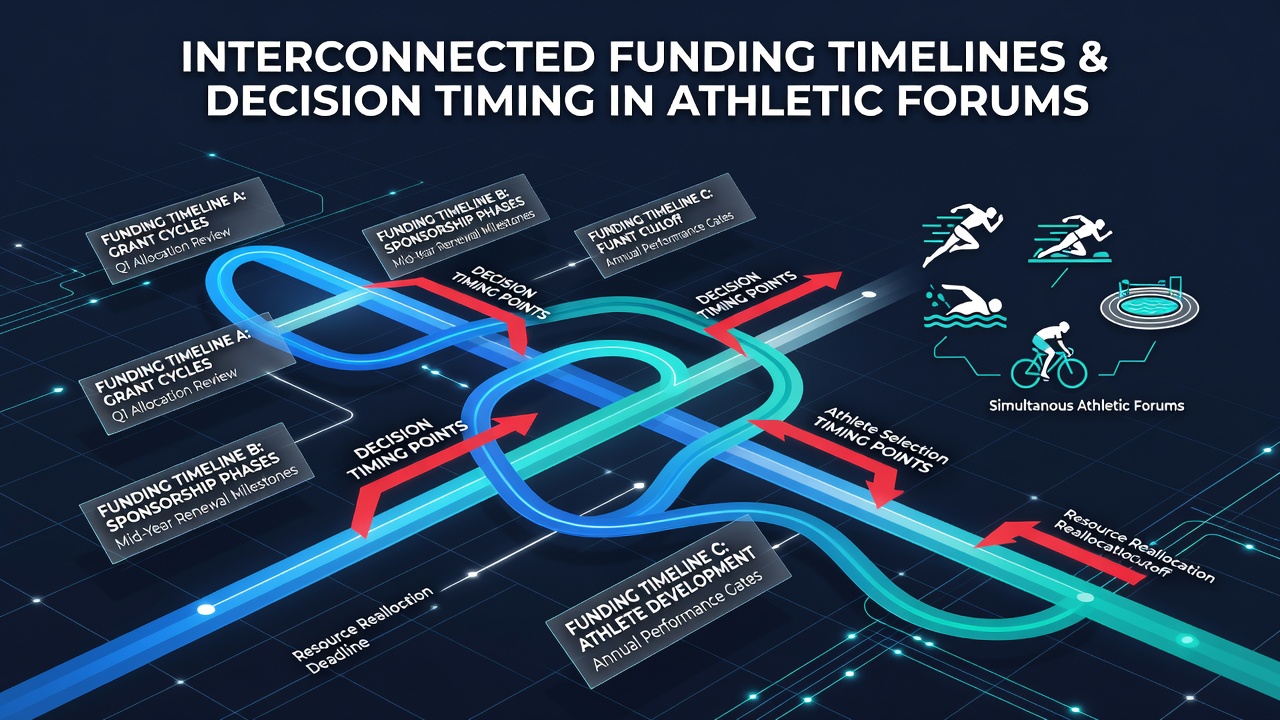
Payment pathway variations across regions further modulate these timings, with certain networks enabling near-instant crossovers between sports and gaming modules while others enforce staged releases that separate the two activity streams by several minutes. According to records maintained by the Nevada Gaming Control Board, average handling times for combined mobile transactions dropped notably between 2025 and 2026, supporting increased overlap in user decision points during major event periods.
Regional Data and Platform Comparisons
Canadian provincial reports compiled through the Alcohol and Gaming Commission of Ontario track similar patterns where funding speed directly affects the volume of simultaneous entries into event contracts and progressive reel systems, and these statistics align with observations from Australian regulatory summaries issued in the same timeframe. Platform operators report that users equipped with pre-verified funding sources execute dual-format strategies at rates up to forty percent higher than those relying on standard bank transfers, illustrating the practical impact of timeline compression on participation structures.
Academic examinations of user behavior in app-based environments, including work referenced through resources such as American Gaming Association analyses, confirm that interconnected funding sequences reduce hesitation intervals and allow more precise synchronization between athletic forecasts and reel automation triggers. Additional findings from research groups at institutions monitoring digital wagering trends highlight how these mechanics scale differently across device types, with tablet interfaces showing slightly longer average decision windows compared to smartphone sessions due to screen layout variations.
Technical Factors Driving Timeline Interconnections
Backend synchronization protocols link banking ledgers directly to both sports market engines and reel randomizers, ensuring that available balances update across modules in real time once a transfer clears, and this architecture prevents isolated funding states that previously forced users into staggered decision sequences. Security layers applied during high-volume periods in July 2026 maintained these connections without introducing measurable latency spikes, preserving the tight timing windows that enable coordinated athletic and reel activity.
Case examples from multiple operators illustrate how a single funding event can unlock entry points for both live event wagers and automated reel progressions within the same session, and data logs reveal clusters of such combined actions occurring most densely during evening hours across North American time zones. Regulatory filings from various jurisdictions continue to document these operational flows without attributing specific outcomes to individual user choices, focusing instead on aggregate timing statistics.
Conclusion
Available evidence establishes that interconnected funding timelines exert measurable influence over when decisions occur in simultaneous athletic forecasts and automated reel sequences on handheld interfaces, with processing speeds shaping the feasibility of parallel versus sequential actions. Continued monitoring through established regulatory channels and industry data sets will track how these relationships evolve alongside platform updates and regional policy adjustments in coming periods.