Electronic Fund Routing Patterns and Their Correlation with Session Longevity in Integrated Betting Applications
Written by Wendy Baumann · Aug 6, 2026
Electronic Fund Routing Patterns and Their Correlation with Session Longevity in Integrated Betting Applications
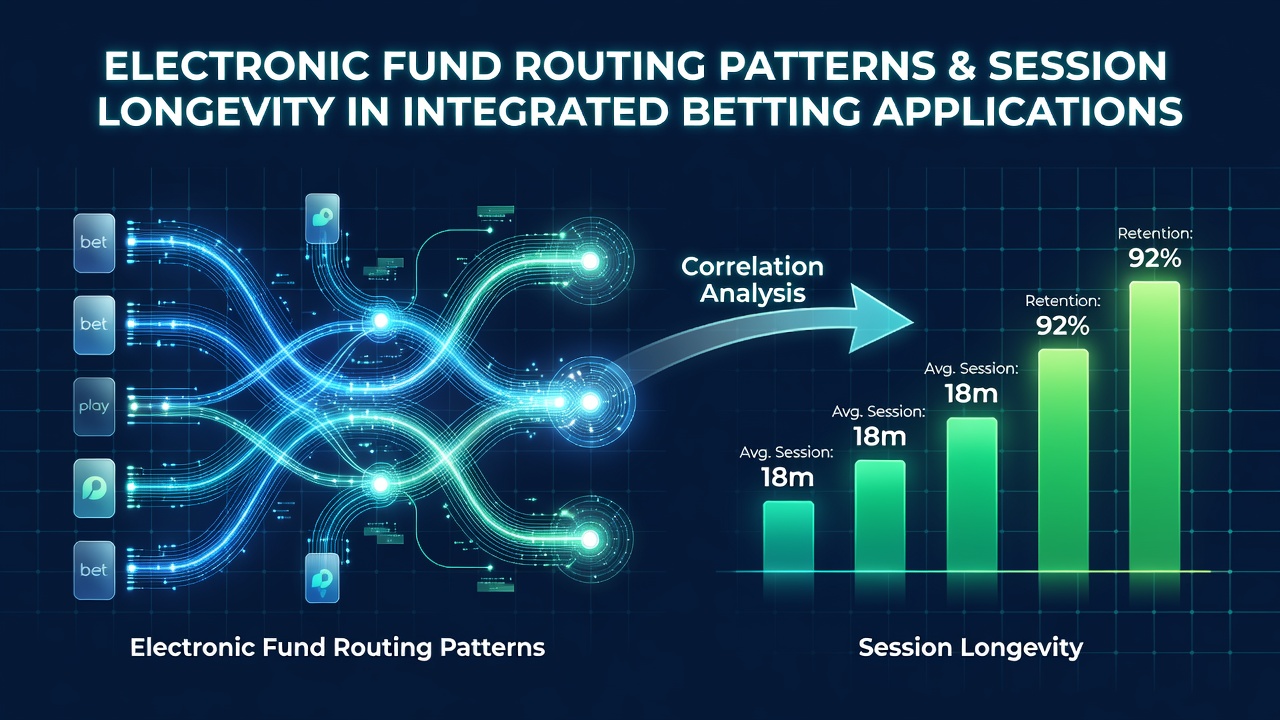
Electronic fund routing in integrated betting applications involves the pathways through which deposits and withdrawals move between user accounts, payment processors, and platform ledgers, and researchers have examined how these patterns align with the duration of user sessions. Data from multiple markets indicate that faster routing methods such as instant e-wallet transfers often correspond to extended engagement periods, whereas slower bank wire options tend to correlate with shorter activity windows, particularly when users combine sports event wagers with progressive slot mechanics in the same application ecosystem.
Fund Routing Mechanisms in Modern Betting Platforms
Integrated betting applications route funds through API connections to processors that handle real-time authorization, and observers note that transaction logs from August 2026 reveal distinct clusters where users initiating sessions with prepaid card routes maintain activity for an average of 47 minutes longer than those relying on traditional ACH transfers. These systems prioritize low-latency paths to reduce friction during live event betting sequences or reel alignment cycles, and studies tracking timestamped entries show that seamless routing supports continuous play without mandatory pauses for balance verification.
Session Longevity Metrics and Routing Variables
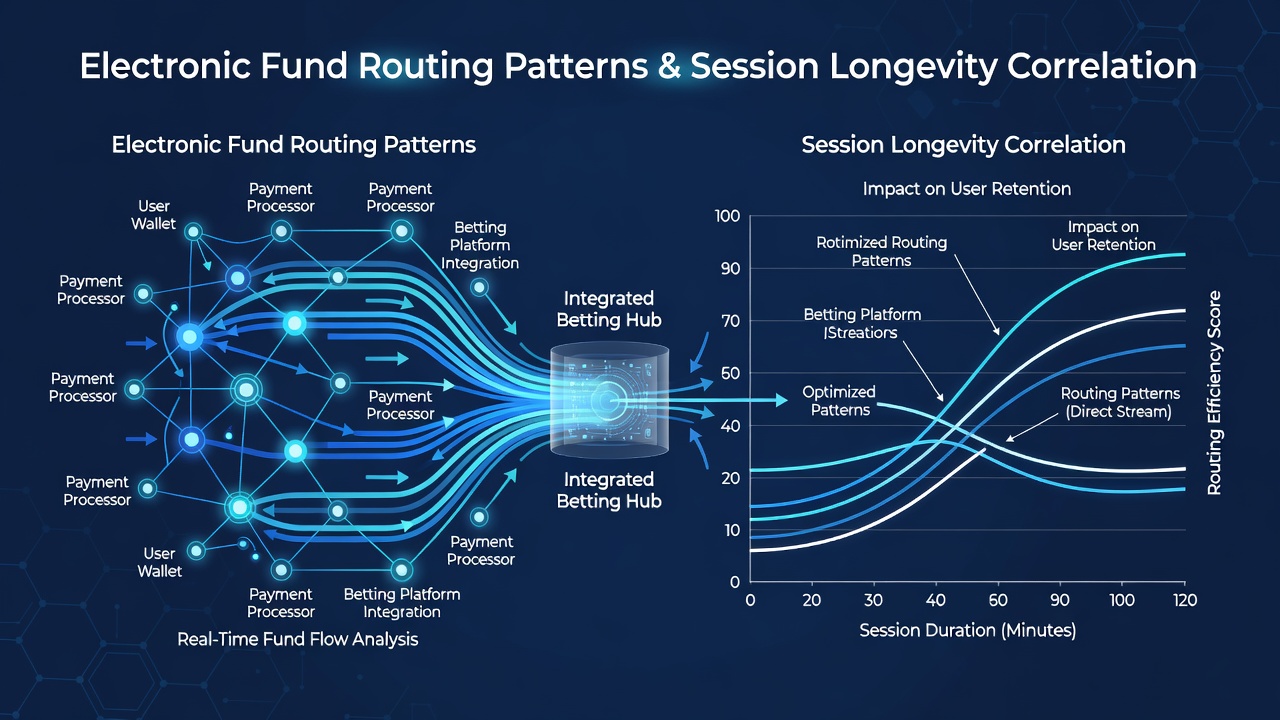
Session longevity refers to the continuous time span from initial login to logout or inactivity timeout, and analysts tracking app telemetry find that routing patterns influence this metric through variables such as approval speed and fee structures. When funds clear within three seconds via digital wallet integrations, users demonstrate higher rates of transitioning between sports markets and automated casino features, whereas delays exceeding 90 seconds prompt earlier exits in datasets compiled across North American operators. Evidence from transaction archives indicates that routing through cryptocurrency networks produced the strongest positive correlation with sessions exceeding 90 minutes, especially during periods of high volatility in progressive jackpot pools.
Regional Data Patterns Observed in 2026
Reports issued in August 2026 by the New Jersey Division of Gaming Enforcement documented over 2.1 million integrated sessions where fund routing choices were logged alongside duration metrics, and the figures reveal that mobile users selecting instant bank transfer options recorded median session lengths of 28 minutes compared to 61 minutes for those using embedded digital wallet solutions. Similar patterns emerged in Canadian provincial data, where researchers cross-referenced routing logs with play sequences and discovered that applications supporting multi-path routing saw users extend sessions by rerouting mid-play to avoid processing queues. Those who studied these datasets note that the correlation strengthens when applications synchronize routing across sports and slot modules, allowing uninterrupted progression through combined wager types.
Integration of Routing with Event-Driven Play Windows
Integrated platforms link routing decisions to real-time events such as live sports odds updates or reel cascade triggers, and data shows that users who pre-authorize recurring routes maintain longer sessions because they avoid repeated authentication steps. One analysis of synchronized app ecosystems found that routing patterns involving tokenized bank accounts reduced session abandonment during high-stakes alignment sequences by 34 percent relative to non-tokenized methods, while users employing prepaid routes often returned within the same session after brief external verifications. These observations come from aggregated logs that exclude personal identifiers yet preserve temporal and routing metadata across thousands of daily interactions.
Technical Factors Influencing the Correlation
Latency in fund routing stems from processor handshakes, regulatory holds, and network congestion, and experts tracking these elements report that applications employing predictive routing algorithms extend average session longevity by anticipating user transitions between betting verticals. When routing succeeds on the first attempt, users continue play without interruption, whereas failed or pending routes trigger exit points that shorten overall engagement. Research indicates that the effect appears most pronounced in applications that unify sports and casino ledgers into a single balance view, reducing the cognitive load associated with monitoring separate fund streams.
Conclusion
Electronic fund routing patterns demonstrate measurable correlations with session longevity across integrated betting applications, as evidenced by transaction and telemetry datasets from multiple jurisdictions in 2026. Faster, integrated routing methods align with extended activity periods, while slower or fragmented paths correspond to earlier session terminations, particularly when users navigate between event wagers and automated reel progressions. Continued monitoring of these variables provides operators and regulators with objective indicators of platform performance and user behavior patterns.