Decoding Verification Delays and Their Role in Shaping Fund Allocation Across Overlapping Event Wagers Plus Automated Reel Cycles in Unified Platforms
Written by Carlo Neumann · Jun 25, 2026
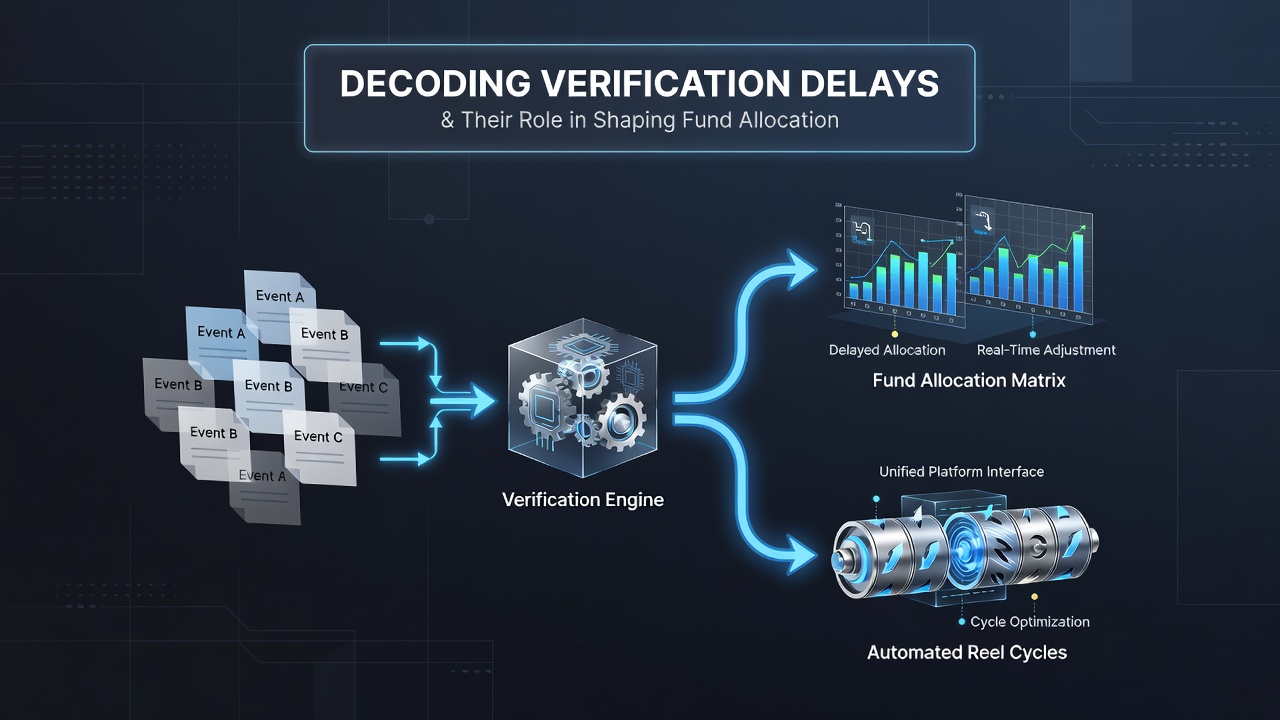
Decoding Verification Delays and Their Role in Shaping Fund Allocation Across Overlapping Event Wagers Plus Automated Reel Cycles in Unified Platforms
Unified platforms combine event-based wagering with automated reel mechanisms, which creates complex pathways for fund movement that verification processes must navigate, and observers note that delays in these checks directly influence how capital gets distributed when multiple bets overlap in time while reels continue their programmed sequences without interruption. Research from industry monitoring groups shows that transaction approval times vary based on user history, payment method, and regulatory requirements, which in turn affects the availability of funds for new positions in live events or continued play in slot cycles.
Verification Mechanisms in Integrated Systems
Platforms handling both athletic event contracts and reel-based games implement layered checks that include identity confirmation, source of funds review, and real-time balance validation, while these steps run concurrently with active wagers on overlapping matches or automated spins, data from regulatory filings indicates average processing windows range from seconds to several minutes depending on the jurisdiction and account tier. In June 2026, several state-level oversight bodies across North America reported incremental updates to digital verification standards that aim to reduce friction without compromising compliance, and these adjustments coincide with rising volumes of combined betting activity on single applications.
Funds sit in pending states during verification windows, which prevents immediate reallocation even when an overlapping wager resolves favorably or when reel cycles demand fresh stakes to maintain progression multipliers, and analysts tracking platform logs have documented cases where delayed clearances shifted user capital from high-frequency reel sessions into more conservative event positions until approvals cleared.
Effects on Overlapping Event Wagers
Event wagers that share timeframes, such as concurrent matches in different leagues, require simultaneous fund commitments that verification delays can interrupt by holding portions of available balances until each check completes, and figures from aggregated transaction studies reveal that platforms with optimized multi-threaded verification experience fewer interruptions in these scenarios compared to sequential systems. When one wager settles while another remains active, the freed capital often gets redirected automatically, yet pending verifications can block that flow and force users to wait or adjust their next allocations across remaining events.
Case examples from platform telemetry demonstrate that users managing three or more concurrent event contracts face higher exposure to allocation bottlenecks during peak verification periods, particularly when deposits originate from external accounts that trigger additional compliance layers, and this pattern appears consistently in datasets covering both U.S. and European markets.
Automated Reel Cycles and Continuous Fund Demands
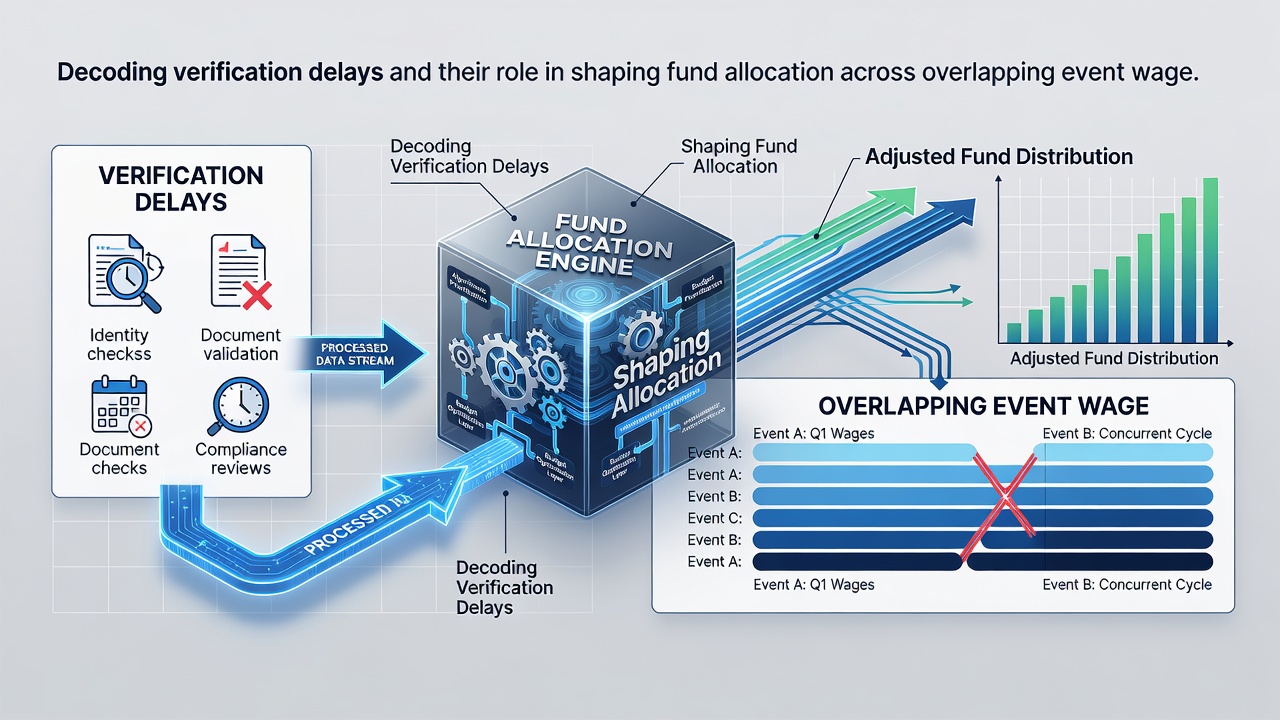
Reel cycles operate on automated timers that draw from user balances at fixed intervals, which means any verification hold on incoming or internal transfers can pause progression toward bonus alignments or jackpot thresholds even while event wagers continue independently, and research tracking synchronized app ecosystems shows that seamless integration between reel automation and event modules relies heavily on pre-verified fund pools to avoid mid-cycle interruptions. Platforms address this through reserve allocations that bypass certain checks for established users, yet newer accounts or larger transfers still encounter full scrutiny that extends the effective wait time.
Data indicates that verification delays averaging over ninety seconds correlate with measurable drops in reel cycle completion rates during combined play sessions, prompting some operators to introduce tiered approval speeds that prioritize automated sequences over manual event adjustments, and this approach appears in operational reports from multiple licensing regions including Australian and Canadian jurisdictions.
Fund Allocation Patterns Under Delay Pressure
Users adapt allocation strategies when verification creates temporary shortages by shifting capital toward fewer, higher-confidence event wagers or by pausing reel automation until balances stabilize, and longitudinal studies of unified platform behavior document these adjustments as predictable responses rather than random fluctuations. Overlapping wagers amplify the effect because resolution of one contract does not instantly free verified funds for the next if secondary checks remain active, which creates ripple effects across both event and reel components of the same session.
Industry reports compiled by research institutions highlight that platforms incorporating predictive verification models reduce average delay impacts by up to thirty percent in high-volume periods, allowing smoother transitions between resolved event payouts and ongoing reel cycles without forcing manual intervention, and these models draw on historical account data to flag low-risk transactions for expedited handling.
Conclusion
Verification delays function as structural gatekeepers within unified platforms where event wagers and automated reel cycles coexist, and their timing directly molds how available capital moves between concurrent positions and continuous play sequences. Observers tracking these systems note consistent patterns in which processing speed influences allocation efficiency across overlapping activities, while regulatory developments in June 2026 continue to refine the balance between security and operational flow in digital environments.