API Connections Linking Financial Services to Gaming Mechanics for Streamlined Mobile Live Sessions
Written by Harper Günther · Aug 22, 2026
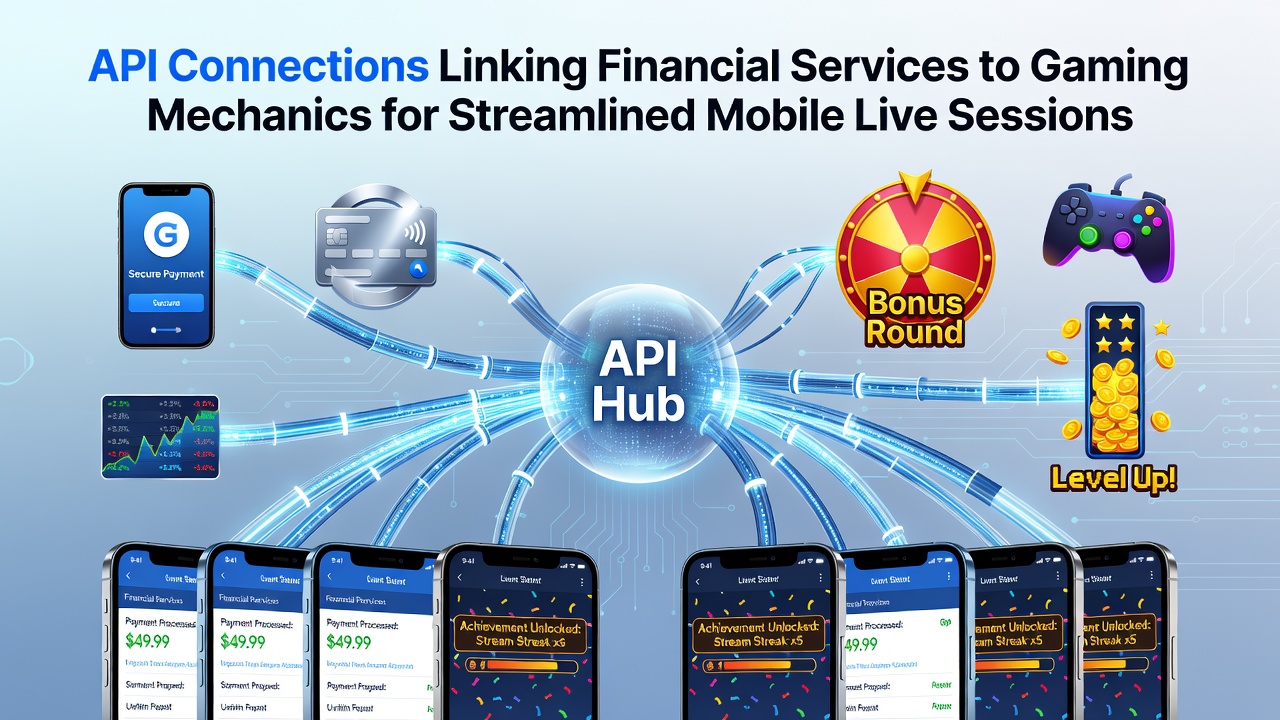
API Connections Linking Financial Services to Gaming Mechanics for Streamlined Mobile Live Sessions
API connections now bridge financial services platforms directly to gaming mechanics, and this integration supports faster transactions during mobile live sessions across betting and casino environments. Data from industry reports shows that real-time data exchanges allow users to deposit funds, check balances, and complete withdrawals without exiting active gameplay windows. Observers note that these connections reduce latency in live dealer games and in-play sports wagers, where timing matters most.
Core Mechanics of API-Driven Financial Integration
Developers build APIs that connect payment processors to game engines, and these links handle authentication, transaction routing, and compliance checks in a single flow. When a player places a live bet or spins a reel during a mobile session, the API pulls account details from the linked financial service, verifies available funds, and confirms the action within milliseconds. Researchers at academic institutions have documented how such systems synchronize player actions with backend ledgers, and this synchronization keeps sessions uninterrupted even as markets update in real time.
Payment gateways receive standardized calls from gaming applications, while banks and e-wallets return responses that update on-screen balances instantly. This setup supports progressive jackpot tracking and combined event wagers because the API layer processes multiple data points simultaneously. Figures from state regulatory bodies indicate rising adoption rates for these protocols in mobile-first markets through mid-2026.
Impact on Mobile Live Sessions in August 2026
By August 2026, mobile live sessions accounted for a growing share of total gaming activity in several jurisdictions, and API connections played a central role in that expansion. Live dealer tables and real-time sports interfaces rely on continuous data streams, and financial APIs supply the necessary speed for stake adjustments or cash-out requests mid-round. Industry analyses reveal that operators using advanced API frameworks report higher session completion rates because players encounter fewer payment interruptions.
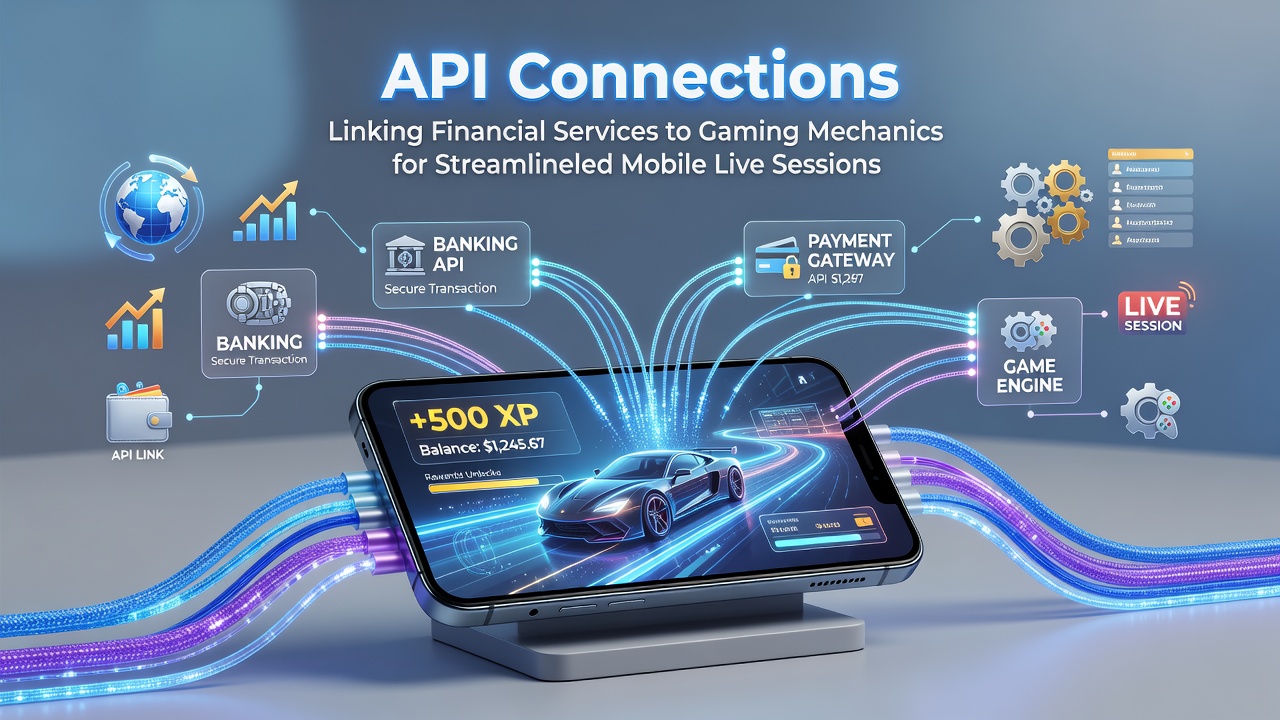
Those who manage gaming platforms often integrate multiple financial providers through a single API gateway, and this approach lets users switch between funding sources during one continuous session. Regulatory filings from the New Jersey Division of Gaming Enforcement document increased transaction volumes tied to these streamlined processes. Meanwhile, data from iGaming Ontario shows similar patterns in Canadian markets, where API-enabled instant transfers support extended play windows without requiring separate banking apps.
Security and Compliance Layers Within API Frameworks
Security protocols embedded in financial APIs include tokenization, encryption, and real-time fraud detection that activate before any gaming mechanic executes. When a transaction request reaches the API endpoint, the system cross-checks against regulatory requirements and flags anomalies before funds move. Experts at research organizations have tracked how these layers maintain compliance across borders, and operators update rulesets through API versioning without pausing live services.
Token-based authentication replaces stored card details in many implementations, and this reduces exposure during mobile sessions. Gaming mechanics receive only confirmation signals rather than raw financial data, which limits the surface area for potential breaches. Reports from European regulatory sources confirm that API audit trails now form part of standard oversight for licensed operators.
Case Examples of API Usage in Synchronized Platforms
One operator in a regulated U.S. state deployed API connections that linked player wallets to adaptive reel systems, and the change allowed instant stake scaling during live tournament events. Another platform serving international users integrated banking APIs with prediction market tools, resulting in synchronized settlement of combined wagers and slot progressions. These implementations demonstrate how financial services feed directly into game logic without creating separate transaction steps.
University-led studies have examined the timing advantages these connections create, particularly in environments where multiple live sessions run concurrently on a single device. The data indicates reduced drop-off rates when payment confirmations arrive within the same interface as the gaming content.
Future Directions for API Expansion
Continued development focuses on expanding API endpoints to handle emerging payment types such as digital currencies alongside traditional banking rails. Operators test these connections in controlled environments to ensure they maintain the same speed and reliability seen in current mobile live setups. Regulatory bodies in multiple regions review updated technical standards that govern these integrations, and licensing conditions increasingly reference API performance metrics.
Conclusion
API connections between financial services and gaming mechanics continue to shape how mobile live sessions operate, delivering transaction speeds that align with real-time gameplay demands. Data collected through August 2026 illustrates measurable adoption across licensed markets, supported by security standards and compliance frameworks. As platforms refine these links, the technical foundation remains centered on efficient, verifiable data exchange that keeps financial actions embedded within active gaming flows.