Adaptive banking networks influencing reel alignment patterns across synchronized mobile platforms
Written by Otto Coleman · Jun 6, 2026

Adaptive banking networks influencing reel alignment patterns across synchronized mobile platforms
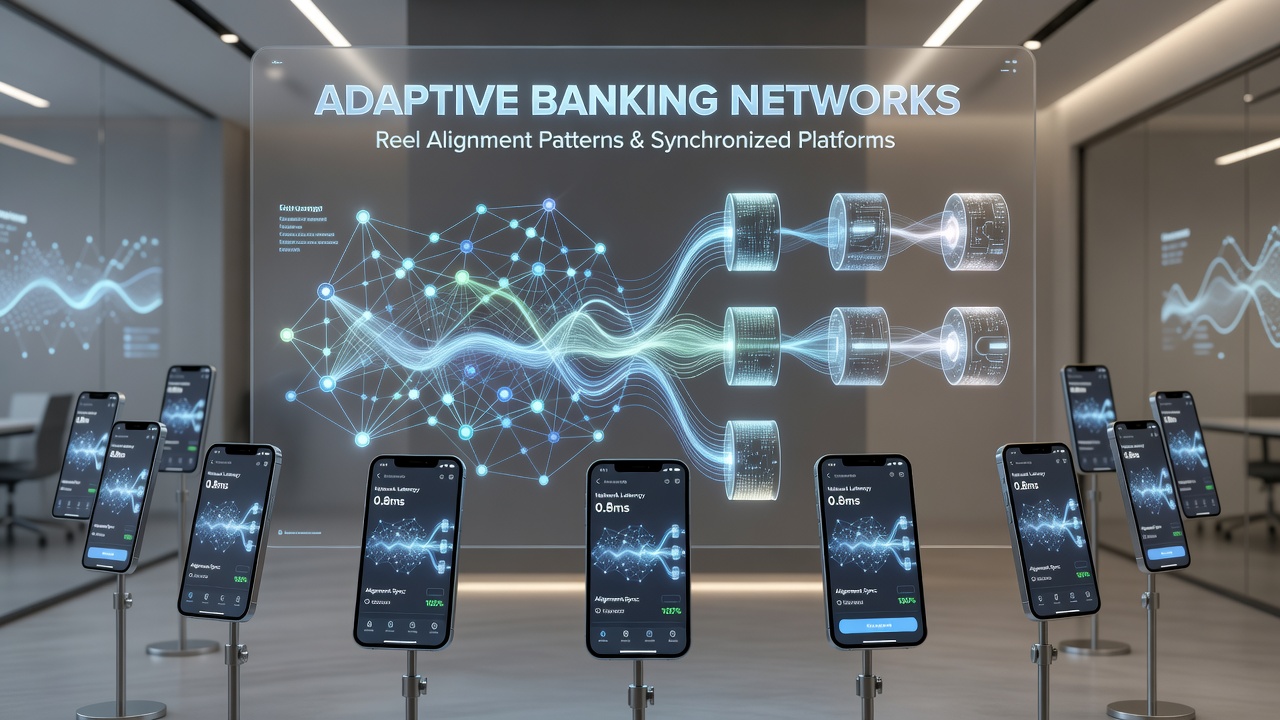
Adaptive banking networks connect payment processing systems directly to game servers in mobile slot environments, and this integration alters reel behavior in synchronized applications. Data from industry reports shows that transaction speed and verification protocols now feed into the algorithms governing symbol placement across linked devices. Observers note that platforms handling simultaneous sessions adjust alignment sequences based on real-time funding status, which creates measurable differences in outcome patterns compared to standalone setups.
Research indicates these networks operate through APIs that share user account data with reel engines while maintaining compliance with regional standards. In June 2026, several North American operators reported shifts in progressive jackpot triggers after implementing adaptive routing for deposits and withdrawals. The changes appear in cross-device sessions where one player's reel set influences another through shared liquidity pools, and synchronization protocols ensure consistent timing across iOS and Android environments.
Technical mechanisms behind the integration
Payment rails such as instant bank transfers and tokenized card systems transmit metadata that game engines interpret as variables for reel weighting. Experts at research institutions have documented how latency under 200 milliseconds correlates with tighter alignment clusters in networked progressives. Canadian regulatory filings from provincial gaming commissions reveal that operators must log these interactions separately from standard random number generation logs to meet audit requirements.
Software developers build middleware layers that map banking events to reel state machines, and this mapping produces observable effects in multi-user environments. One documented case involved a European platform where high-frequency e-wallet top-ups triggered earlier bonus symbol alignments during synchronized tournaments. Those alignments occurred because the network adjusted virtual reel strips dynamically to reflect available prize pools tied to incoming funds.
Regional adoption patterns and data trends
Markets in Australia and parts of the European Union show faster uptake of these systems due to established open banking frameworks. Figures from the Australian Communications and Media Authority highlight a 28 percent increase in cross-platform session continuity among users who rely on instant verification methods. In contrast, regions with slower payment infrastructure report fewer measurable impacts on reel synchronization, which suggests infrastructure quality directly affects pattern emergence.
University-led studies in the United States have examined how these networks interact with responsible gaming tools. Researchers found that adaptive systems can flag rapid deposit sequences and temporarily modify reel volatility settings for affected accounts. The adjustments maintain fairness parameters while responding to banking signals, and operators must disclose such modifications in their technical submissions to state regulators.
Security and compliance considerations
Encryption standards for data exchange between banking networks and game servers follow protocols established by international standards bodies. These standards prevent unauthorized influence on reel outcomes while allowing legitimate adaptive responses. Gaming associations in multiple jurisdictions have issued guidelines requiring independent testing of any reel modification triggered by payment activity, and certification labs now include specific test cases for synchronized mobile scenarios.
Transaction logs timestamped at the point of fund authorization provide audit trails that connect banking events to subsequent reel states. Regulators in select provinces require operators to retain these logs for a minimum of five years, which enables retrospective analysis of alignment patterns across device groups. The process supports both compliance verification and technical optimization of synchronization algorithms.
Future infrastructure developments
Emerging 5G and edge computing deployments are expected to reduce synchronization delays further, which could amplify the observable effects of adaptive banking on reel behavior. Industry reports project expanded use of machine learning models that predict optimal alignment windows based on aggregated payment flow data from multiple regions. Operators testing these models in controlled environments report improved session retention metrics without altering stated return-to-player percentages.
Conclusion
Adaptive banking networks continue to reshape technical interactions between payment systems and reel engines in synchronized mobile gaming platforms. Documentation from regulatory bodies and academic sources demonstrates consistent patterns where transaction metadata influences alignment outcomes across linked sessions. As infrastructure advances through 2026 and beyond, the documented linkages between banking events and reel behavior provide a measurable framework for ongoing platform development and oversight.